

The Sleep-Mood Connection: How to Track and Understand Your Sleep Better with Your Smartwatch

Copy Link


Written by Prof.Ahmad N AlHadi
The Sleep-Mood Connection: How to Track and Understand Your Sleep Better with Your Smartwatch
8 min readPublished on 10/11/2025 · 16:33

Copy Link



About the Author

In this article
01. What Is Emotional Well-being and Good-quality Sleep
02. How Poor Sleep Affects Mental Health
03. How Emotional Well-being Improves Sleep
04. Practical Tips for Sleep and Emotional Balance
01
What Is Emotional Well-being and Good-quality Sleep
Many of us blame ourselves when we can’t fall asleep, but science shows that sleepless nights
are rarely a matter of simple willpower. Sleep and emotional wellbeing are tightly
intertwined: the way we feel during the day shapes how we rest at night, and the quality of
that rest feeds back into our mood, stress tolerance, and decision-making.
Good emotional health does not mean feeling happy all the time—it means noticing feelings,
recovering from stress, and keeping negative thoughts from taking control. When this balance
is lost, the body’s stress system stays active long after bedtime, making deep, restorative
sleep harder to reach.
Similarly, high-quality sleep is far more than clocking seven hours. Here is a checklist of
key
features of a good night’s sleep:
• Falling asleep within a relatively short time (usually less than 30 minutes).
• Staying asleep throughout the night with minimal awakenings.
• Reaching deep sleep and REM stages sufficiently.
• Waking up refreshed, not groggy.
• Sleeping at times aligned with the body’s biological clock.
When any of these elements are disrupted—whether you wake frequently, lose deep sleep, or sleep at
irregular hours—even a full night’s rest can leave you tired, irritable, and less resilient the next
day. Research shows that chronic sleep loss amplifies anxiety, weakens emotional regulation, and
lowers positive mood—creating a vicious cycle in which stress fuels insomnia, and poor sleep
magnifies stress.
I’ve tested many devices that claim to track sleep, but what impressed me about the HUAWEI WATCH GT
6 Pro is how it connects emotional health with nightly recovery in a way that feels
genuinely
insightful. The combination of Emotional Wellbeing 2.0, emotion monitoring, heart-rate variability
(HRV), and advanced sleep analysis helps me see patterns I never noticed before.
For instance, on days packed with lectures or consultations, my stress readings rise, and I often
see lighter sleep that night. But once I started using the watch to monitor these changes, I began
recognizing which habits—like late-evening emails or caffeine—were quietly affecting my rest. Having
that data visualized on my wrist turned abstract stress into something I could understand and
manage.
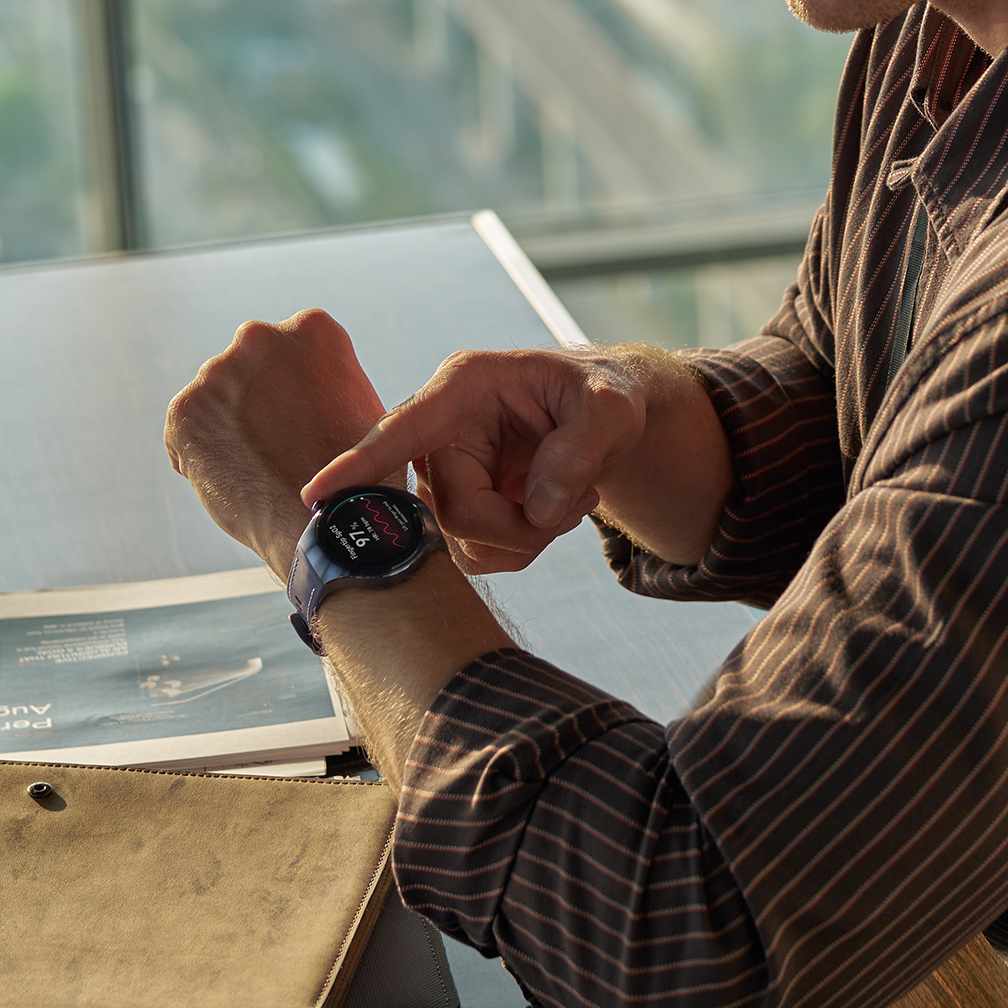
What I appreciate most is how Emotional Wellbeing 2.0 makes this process practical. The watch
refreshes stress data every ten minutes, and even sends me dual mood-stress alerts when it detects
rising tension. It’s like having a gentle reminder that says, “Take a break before it catches up to
your sleep.” Over time, these small nudges have helped me maintain a steadier balance between my
work and recovery.
After about a week of consistent use, the watch also established my personal HRV baseline, which
acts as a kind of recovery score. When my HRV is higher, I know my body is relaxed and adapting
well. When it dips, it’s a sign to slow down or adjust my schedule.
For me, the HUAWEI WATCH GT
6 Pro isn’t just a sleep tracker—it’s a daily feedback loop between my
emotional state and physical recovery. It turns what used to be guesswork into clear, actionable
insights, helping me not just sleep longer, but sleep better.
02
How Poor Sleep Affects Mental Health
Having lack of sleep, not only brings fatigue, but also affects our whole body as it
reshapes how we think and feel.
• Insomnia, depression, and anxiety
Research shows that people with chronic insomnia are twice as likely to develop depression.
Sleep disturbances are common in anxiety, bipolar disorder, and post-traumatic stress
disorder. In many cases, poor sleep precedes emotional symptoms, suggesting it may play a
causal role. The HUAWEI WATCH GT
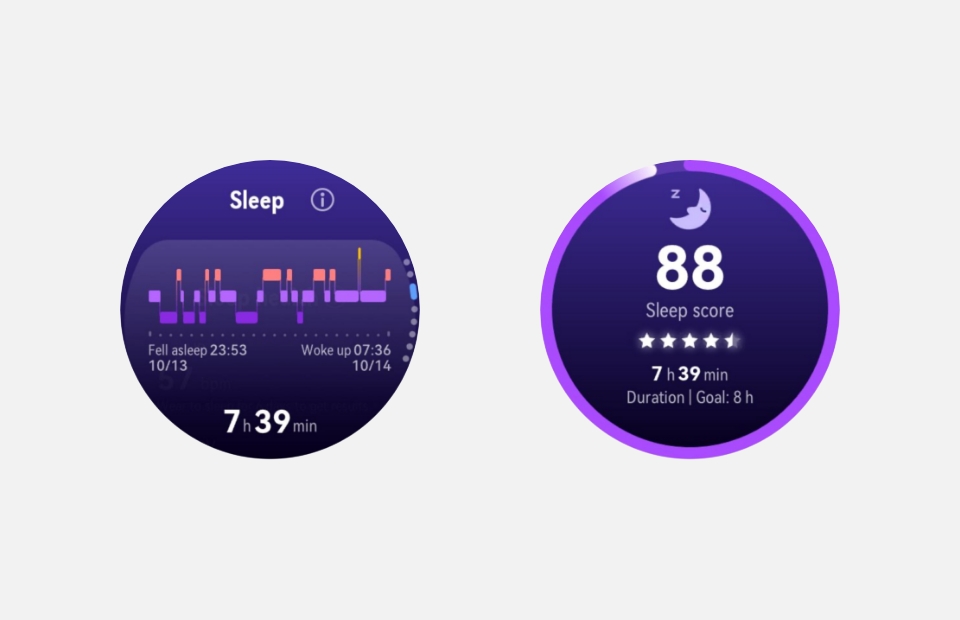
6 Pro can track nightly sleep stages and HRV trends,
helping you detect early warning signs, such as consistently reduced deep-sleep percentages,
before mood changes escalate.
• The vicious cycle: stress → insomnia → poor emotional regulation
Daily stress activates the body’s “fight or flight” system, keeping the mind tense at night
and fragmenting sleep. With insufficient rest, emotional regulation weakens, and reactivity
rises, creating a self-reinforcing loop. The HUAWEI WATCH GT 6 Pro’s stress monitoring and
Emotional Wellbeing 2.0 can reveal when stress scores spike during high-pressure days,
making it easier to intervene with relaxation techniques before bedtime.
• The vicious cycle: stress → insomnia → poor emotional regulation
Daily stress activates the body’s “fight or flight” system, keeping the mind tense at night
and fragmenting sleep. With insufficient rest, emotional regulation weakens, and reactivity
rises, creating a self-reinforcing loop. The HUAWEI WATCH GT 6 Pro’s stress monitoring and
Emotional Wellbeing 2.0 can reveal when stress scores spike during high-pressure days,
making it easier to intervene with relaxation techniques before bedtime.
A review of over 150 studies found that sleep deprivation reduces positive emotions and increases
anxiety.1 Other studies link poor sleep quality to daytime dysfunction and impaired emotion
regulation. Pairing these insights with the watch’s long-term sleep trend analysis can help you see
how small nightly deficits accumulate into measurable emotional effects.
These are screening tools only and complement, not replace, clinical evaluation; the watch’s optical
heart rate monitor also supports continuous tracking throughout day and night to anchor your trends.
03
How Emotional Well-being Improves Sleep
The relationship isn’t one-way. Supporting emotional balance also strengthens sleep quality.
• Positive emotions and relaxation
Practices like gratitude journaling, meditation, and mindfulness reduce tension before bed.
The HUAWEI WATCH GT 6 Pro tracks HRV and stress levels, so you can watch your stress
indicators drop after evening breathing exercises. The feature of Emotional Wellbeing 2.0
adds diaphragm breathing and more refined mood visuals, small, engaging nudges that help you
down-shift physiologically before lights-out.
• Reducing nighttime anxiety
Repetitive negative thinking often keeps people awake. Emotional Wellbeing 2.0 provides
daily mood and stress assessments, helping you spot patterns, like higher anxiety scores on
busy workdays, and adjust evening routines to quiet the mind.
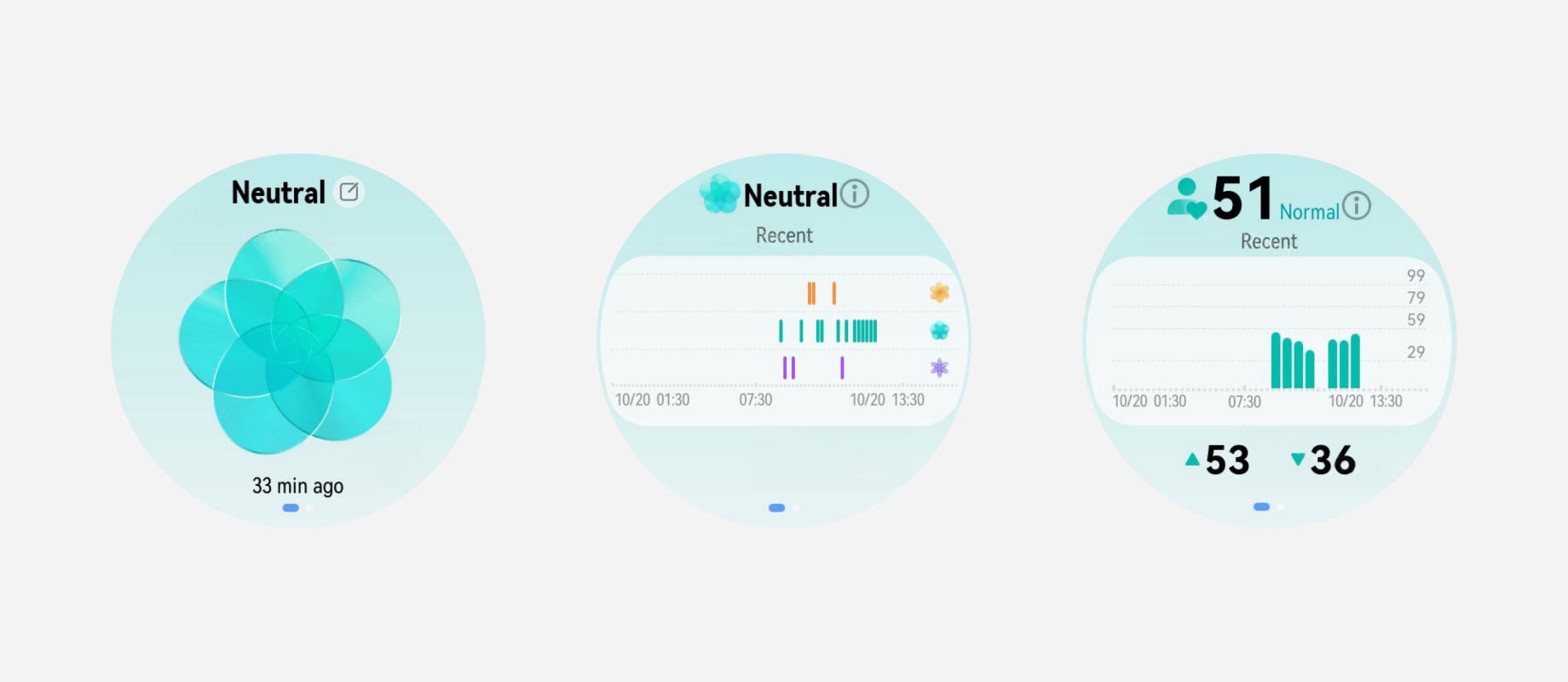
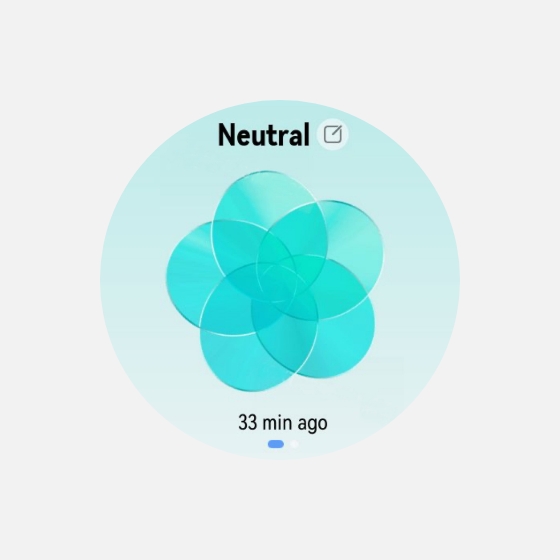
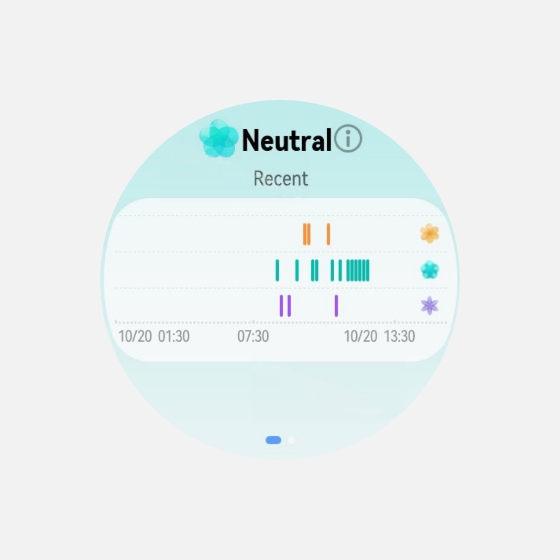
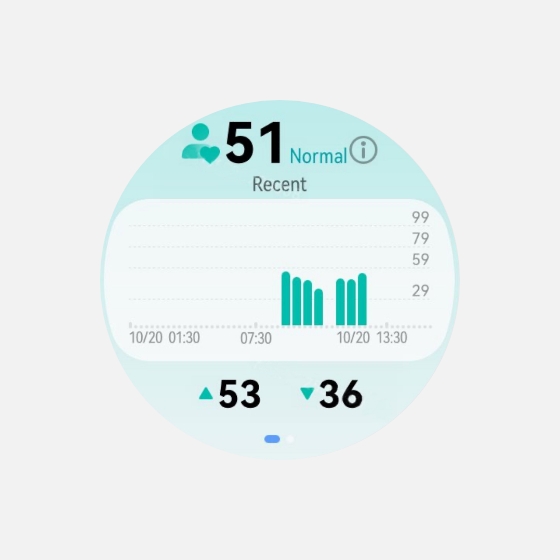

“With the HUAWEI WATCH GT 6 Pro, I can finally see how stress scores and HRV patterns explain those restless nights, and take real steps toward deeper, restorative sleep.”
04
Practical Tips for Sleep and Emotional Balance
Smart habits build the foundation for both rest and resilience, and a smartwatch can help
turn those habits into measurable goals.
• Basic sleep habits
Stick to a consistent schedule, keep the bedroom dark and cool, and limit caffeine late in
the day. The HUAWEI WATCH GT 6 Pro automatically tracks bedtime consistency and sends
reminders if your schedule drifts.
• Relaxing bedtime routine
Journaling, breathing exercises, or light stretching can ease the transition to sleep. Use
the watch’s guided breathing sessions or set a wind-down timer to stay accountable.
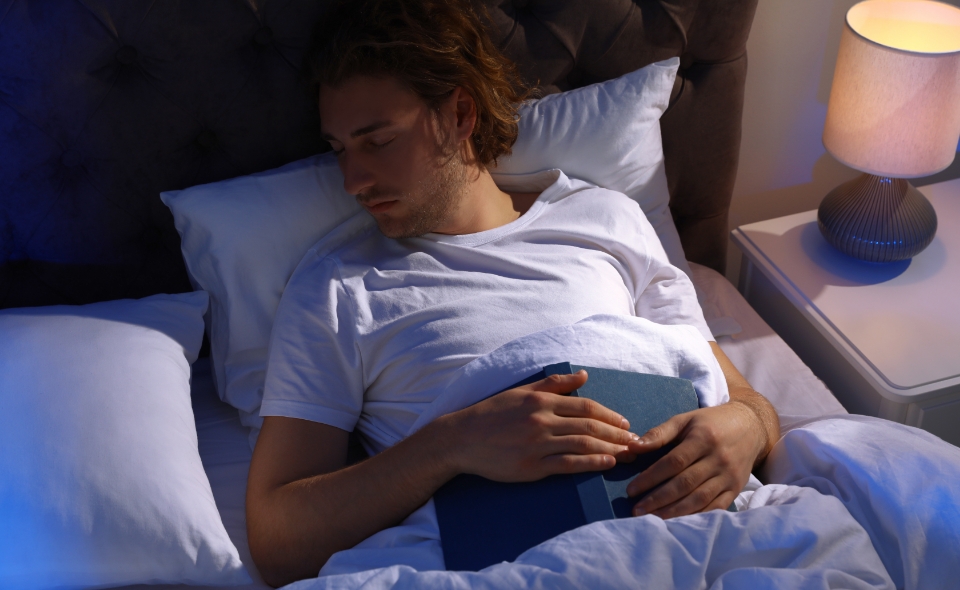
A tip I can give you is setting a recurring evening check-in on the watch: log in your mood
and do a 3–5-minute breathing session and review the stress trend afterwards. Over a few
weeks you’ll start to see fewer late-night spikes and a steadier HRV during sleep.
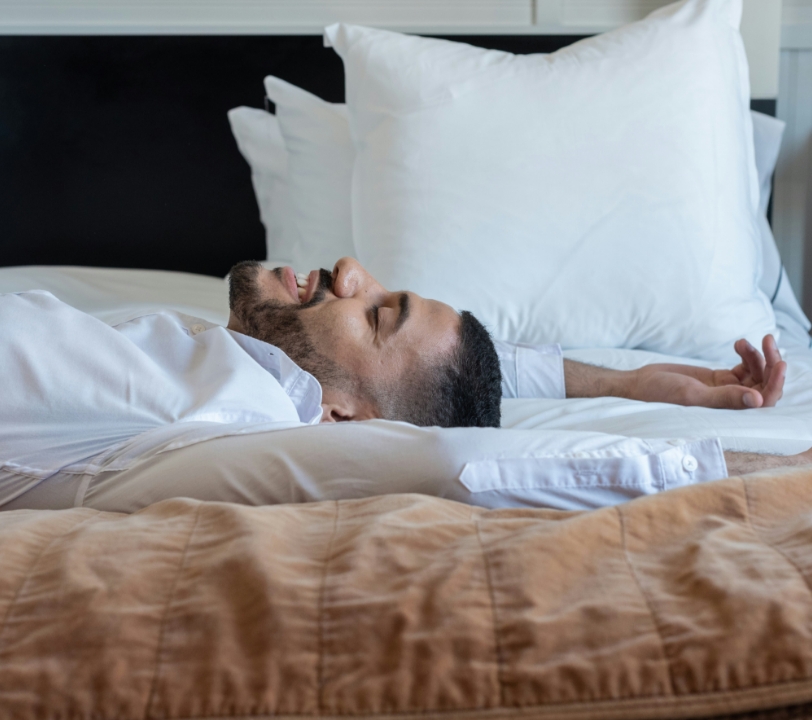
“The HUAWEI WATCH GT 6 Pro keeps me accountable with bedtime reminders, guided breathing, and detailed sleep-stage tracking, turning healthy routines into results I can actually feel the next morning.”
How to Read Your HRV
HRV (Heart Rate
Variability)
measures the tiny variations in time between each heartbeat. Contrary
to what many think, a healthy heart doesn’t beat like a metronome — it adjusts constantly to your
breathing, emotions, and activity level.
• Higher HRV generally means your body is relaxed, stress is low, and your nervous system is
recovering well.
• Lower HRV
can indicate fatigue, mental strain, or insufficient recovery from stress, exercise, or
poor sleep.
Typical Ranges: While HRV varies greatly between individuals, most adults fall between 20
and 100 milliseconds (ms).
• 60 ms and above: Often seen in well-rested, fit, or relaxed individuals.
• 40–59 ms: Considered moderate — typical for healthy adults under everyday stress.
• Below 40 ms: May signal accumulated fatigue, high stress, or inadequate recovery.
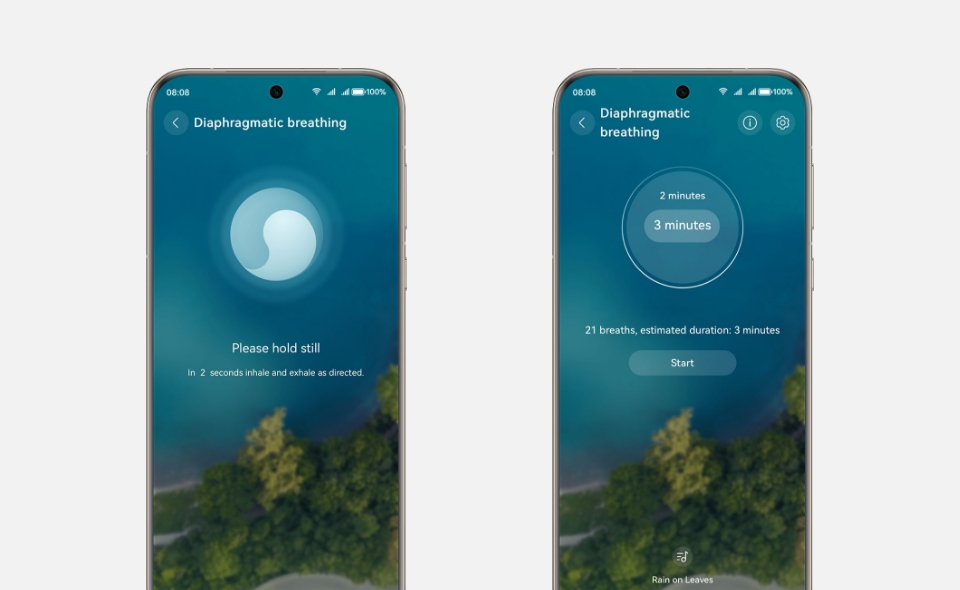
Here’s a step-by-step guide:
1. In the watch open the Breathing app and select 3-10 minutes breathing exercise.
2. In the HUAWEI Health App, review the Emotions and Stress dashboard to see day-to-evening
changes.
3. After a full week of 7 nights check your Sleep HRV to review if your recovery is improving.
• Managing daily stress
Regular exercise, social connection, and early worry time all reduce evening tension. The watch’s
pressure monitoring can alert you to rising stress levels, prompting timely breaks or relaxation
before bedtime.
With the HUAWEI WATCH GT 6
Pro, you can turn on dual mood-stress alerts and summaries. this option
will allow the system to flag your emotional load + poor sleep and may increase your next-day
recreational activities. On these days, you can prioritize a lighter training day, earlier bedtime
or a longer wind-down.
• When to seek help?
If you notice persistent low sleep HRV, frequent awakenings, loud snoring, or high daytime
sleepiness, discuss these patterns with a clinician. Remember that consumer wearables highlight
trends but cannot diagnose sleep disorders or medical conditions.

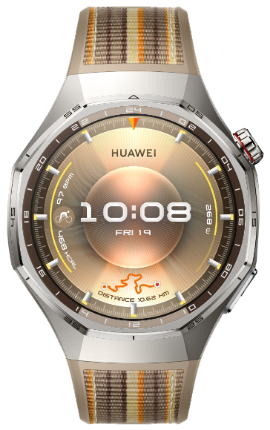
Up to 21-day battery life
Sapphire glass and aerospace-grade titanium alloy
Get new cycling power metrics on your wrist
In-depth ECG analysis
Ahmad AlHadi reading
Conclusion
The relationship between emotional regulation and restorative sleep is reciprocal and clinically
significant. Having a disrupted sleep is not merely a symptom of stress but as mentioned before,
an active contributor to mood dysregulation, cognitive impairment, and vulnerability to
psychiatric disorders. Balanced emotional states promote the initiation and maintenance of
sleep, facilitating the neurobiological recovery processes essential for mental resilience.
By integrating Emotional Wellbeing 2.0, continuous stress and HRV monitoring, and advanced sleep
stage analysis, the HUAWEI WATCH GT 6 Pro offers a unique tool for translating subjective
experiences of stress and fatigue into objective physiological data. This allows you to identify
patterns, implement evidence-based strategies for stress management, and evaluate their
effectiveness over time. Such integration of technology into daily routines represents a
promising adjunct to clinical practice and self-care, bridging the gap between behavioral
insight and physiological monitoring.
Bibliography
1.Palmer, C. et al (2024). Sleep loss and emotion: A systematic review and meta-analysis of over 50
years of experimental research.

Read more
Explore

Copied