
A Deep Exploration into X-TAP: Get 9 Health Metrics with a Single Tap

Copy Link


Written by Prof. Łukasz Małek, MD, PhD
A Deep Exploration into X-TAP: Get 9 Health Metrics with a Single Tap
7 min readPublished on 26/11/2025 · 14:10

Copy Link



Modern Wearables can monitor a wide range of health parameters, including heart rate, blood oxygen
saturation (SpO2), respiratory rate, blood pressure, and body temperature. Thanks to developments in
technology, it is now possible to continuously track these metrics outside of clinical settings.
Additionally, features such as a one-lead electrocardiogram (ECG) recorded over 30 seconds have proven
effective in detecting atrial fibrillation [2].
Although medical professionals are still learning how to integrate smartwatch data into clinical
practice, the expanding volume of information brings growing insight. It is only a matter of time before
variations in recorded data can be directly linked to clinical events. Wearables, like the HUAWEI WATCH 5, gather even more data than before, and faster than ever.

About the Author

In this article
01. Multi Sensing X-TAP Technology
02. Staying Accompanied at All Times
03. How Stiff Are Your Arteries and Why Should You Care?
04. How SpO2 Analysis Can Predict Obstructive Sleep Apnea
01
Multi Sensing X-TAP Technology
For the first time for a HUAWEI wearable, the HUAWEI WATCH
5 also captures data from the
fingertip rather than exclusively from the wrist, as has been the case with all previous
smartwatches from any HUAWEI wearable series. Fingertips contain a denser network of blood
vessels and have thinner skin, allowing for more precise measurements. This also makes data
collection significantly faster.
The watch still uses its wrist-based PPG sensor as well. The combination of wrist and
fingertip data improves accuracy especially in comparison with previous generations of
HUAWEI smartwatches. Within three seconds of placing your fingertip on X-TAP, the HUAWEI WATCH 5 can
begin recording up to nine health parameters, all within 60 seconds. The
sequence includes a 30-second ECG strip, a 15-second scan of other parameters, and a final
15 seconds of voluntary coughing to assess respiratory function.
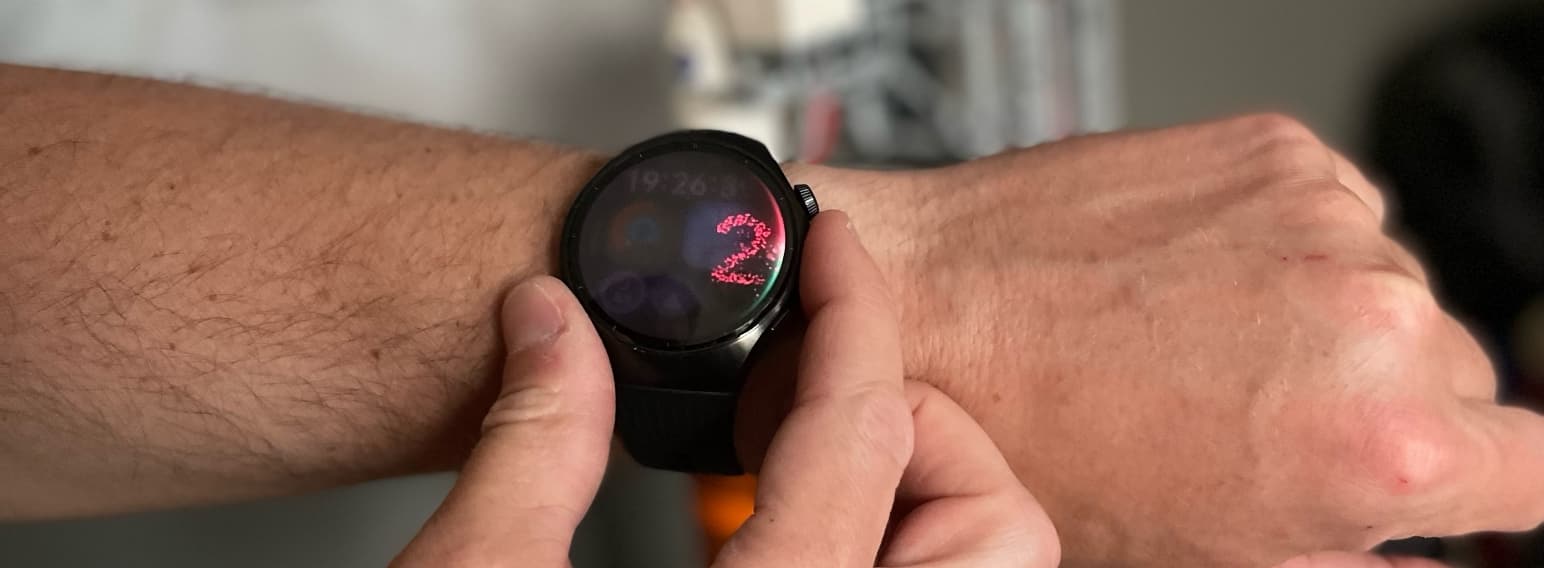
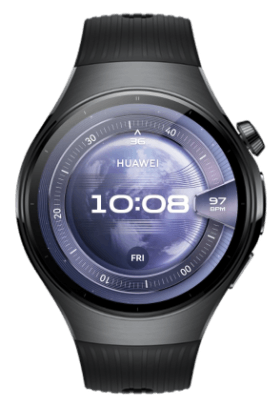
Multi-sensing X-TAP Technology
Aerospace-grade titanium/Luxury 904L stainless steel
eSIM Cellular Calling
One-tap Health Glance
This feature, known as “Health Glance” measures:
•Heart rate
•Heart rate variability
•SpO2
•Skin temperature
•Stress level
•ECG analysis
•Arterial stiffness
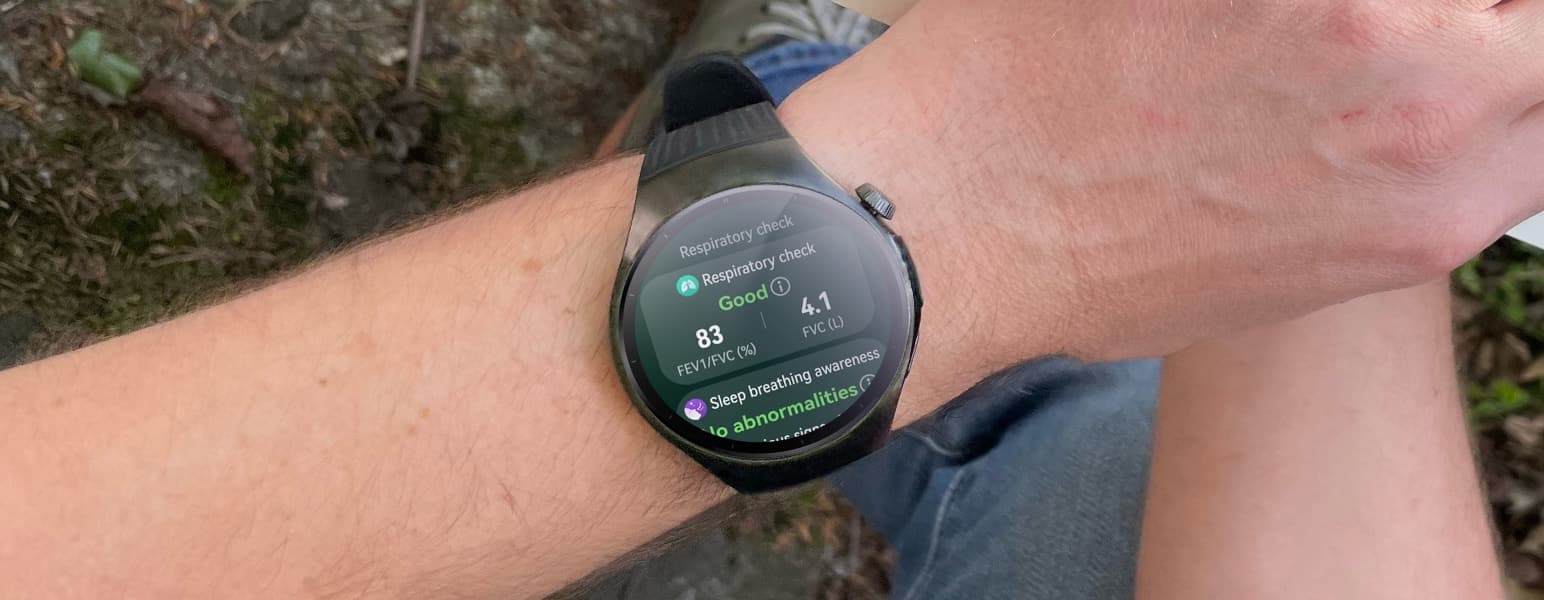
•Respiratory function
•Sleep breathing awareness (from the previous night)
Disclaimer: The number of available health indicators on Health Glance may vary by country and
region.
Good to know:
This innovation is made possible by a new button on the watch's left side, known as X-TAP. It houses
three integrated sensors:
1. A tactile sensor, which registers touch pressure;
2. A photoplethysmogram (PPG) sensor, like those on the back of most smartwatches, using light to
detect blood volume changes in microvessels;
3. An electrocardiogram (ECG) sensor.
02
Staying Accompanied at All Times
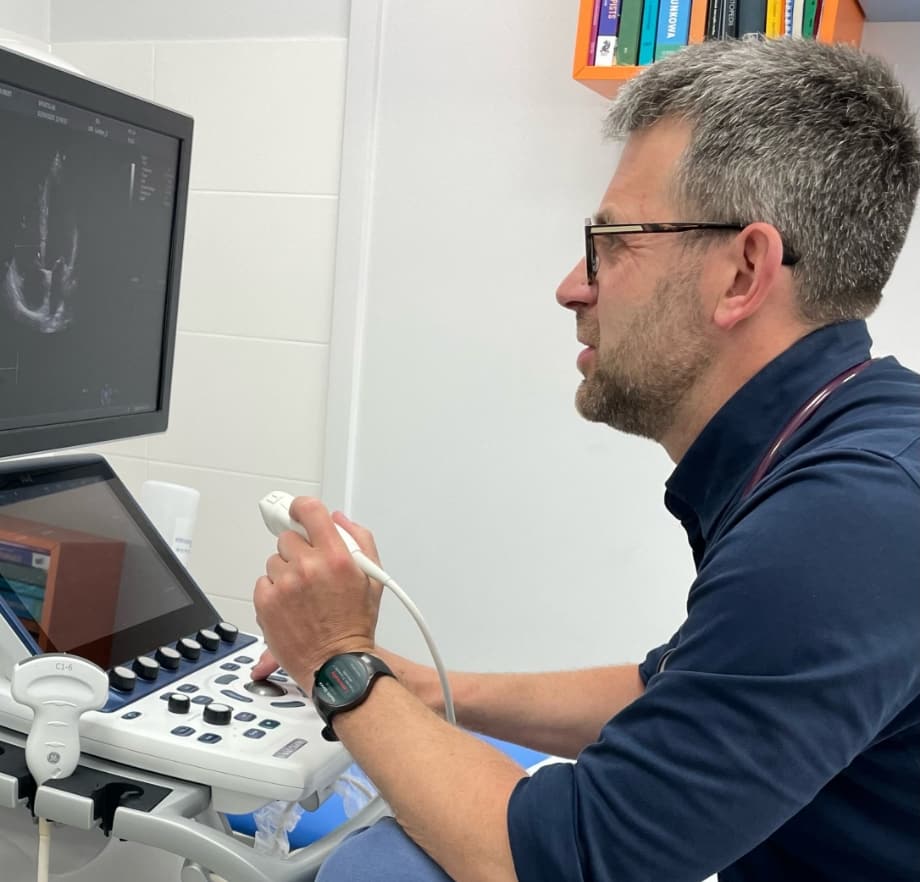
My main concern with most smartwatches has been that manufacturers limit their function to
data collection without providing users, mostly non-medical individuals, any explanation of
what the results might mean. Although such devices are not classified as medical tools, the
overwhelming flood of health data without context can cause anxiety in some users [3]. The
HUAWEI WATCH 5, while
no replacement for seeing a qualified health professional, offers
meaningful explanations of collected data and possible reasons for any abnormalities. Its
guiding principles are:
•Educating users on lifestyle factors that influence health metrics,
•Offering suggestions for lifestyle modifications,
•Creating a personalized health data repository.
The messages accompanying each result are designed to be informative rather than alarming. They emphasize that the data serves as a digital record of your baseline parameters and their normal fluctuations. This personalized reference can be critical in identifying meaningful deviations in the future, and can be used to assist healthcare professionals alongside medical testing. In many countries, patients lack access to continuous health records, and wearables can help bridge the gap by offering a personalized and consistent overview of key health indicators.
03
How Stiff Are Your Arteries and Why Should You Care?
Arterial stiffness is assessed using pulse wave velocity (PWV), measured in meters per second. The stiffer the arteries, the faster the pulse wave travels, raising PWV. Conversely, elastic arteries slow the wave. Knowing your PWV can motivate positive changes like quitting smoking, improving your diet, reducing stress, seeking professional advice concerning your health.
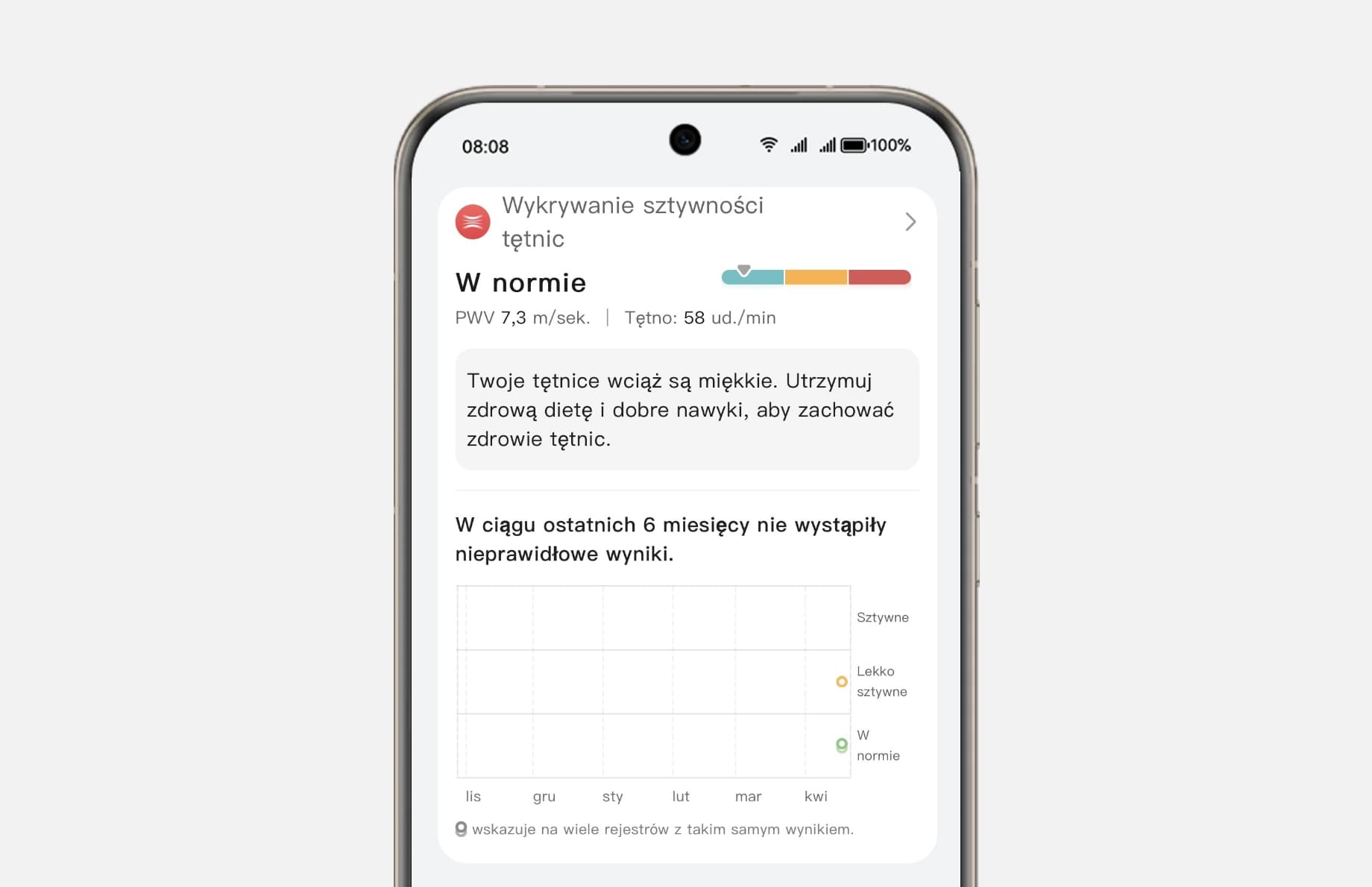

One of the parameters HUAWEI WATCH 5 measure are arterial stiffness. Healthy arteries are elastic, but over time and due to factors such as aging, stress, smoking, poor diet, hypertension, and diabetes, they can become rigid from calcification and fibrosis. This stiffness is a known risk factor for future cardiovascular events.
04
How SpO2 Analysis Can Predict Obstructive Sleep Apnea
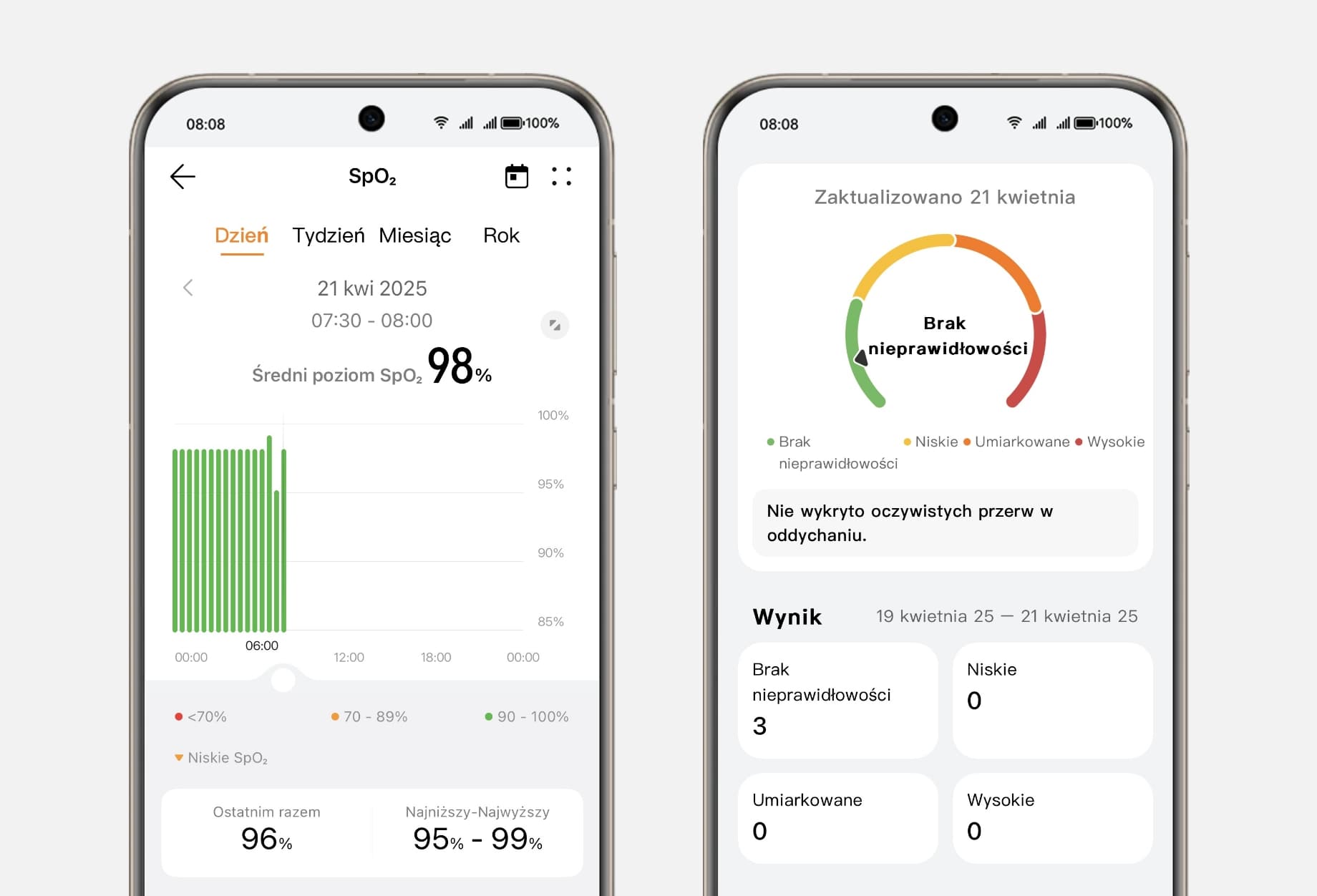
Another interesting health insight is the detection of breathing interruptions during sleep.
When coupled with drops in SpO2, this may suggest more serious conditions, such as
obstructive sleep apnea (OSA) requiring diagnosis or treatment by a suitably
qualified
health professional. OSA occurs when airflow is blocked during sleep, leading to pauses in
breathing that last longer than 10 seconds and occur more than five times per hour. Two main
factors cause OSA:
•Anatomical features of the facial structure affecting airflow,
•Fat deposits in the upper airway, causing muscles in the throat to collapse during sleep.
These breathing interruptions cause sudden awakenings, often several times per hour.
Affected individuals rarely reach deep sleep and may feel persistently tired. Common
symptoms include morning headaches, daytime drowsiness, high blood pressure, and
arrhythmias. While the HUAWEI WATCH 5 does
not diagnose or screen OSA, it may provide
important information about abnormal breathing patterns during sleep, which can prompt early
lifestyle changes – such as weight loss, smoking cessation, or reducing alcohol.
I once treated a professional rugby player with reduced athletic performance. Clinical tests showed a slow heart rate (bradycardia), frequent heartbeat pauses during sleep, mild hypertension, and increased arterial stiffness. Like many contact sport athletes, he had a large neck. He also reported snoring and daytime fatigue – classic OSA symptoms. Polysomnography confirmed the diagnosis. After adopting lifestyle changes and using a continuous positive airway pressure (CPAP) machine, his symptoms, bradyarrhythmia, and hypertension resolved without further treatment.

Had this patient used wearable technology, he might have identified the problem earlier through sleep-related respiratory data, SpO2 drops, and arterial stiffness measurements.
Conclusion
The HUAWEI WATCH 5 enables users to measure a variety of health parameters quickly and easily through the X-TAP feature. This information can form a personal health record, useful both for long-term monitoring and for immediate lifestyle guidance. Accompanied by built-in explanations, it empowers users to understand and act on their health data.
The author of this article is Prof. Łukasz Małek. The views expressed are his own.
The information is to be used as general information only, and is not to be taken as advice with
respect to any individual situation and cannot be relied upon as such. A healthcare provider should
be consulted when attempting to diagnose a condition or when determining the best course of action
for any health-related concern.
The ECG feature is intended to be used by people aged 18 years and over, but is not intended to
replace any medical diagnosis or treatment. Data obtained during the use of this feature is for
personal reference only. Before using ECG, please carefully read the Instruction for Use
Due to national restrictions on obtaining approval / registration as a medical device, ECG feature
only works on watches and smartphones purchased in countries where the service is currently
available.
Supported smartphones: Mobile phones with Android 6.0 or compatibles, HarmonyOS 2.0 or compatibles,
or iOS 12.0 or compatibles. The Huawei Health app version on your mobile phone must be 11.0 or
compatibles. Please make sure that your wearable device and phone are running the latest versions
before using ECG.
The Health Glance, sleep monitoring, stress, SpO2, heart rate, heart rate variability (HRV), skin
temperature, arterial stiffness, respiratory overview features are not a medical device, and
therefore its monitoring data and results are for reference only and should not be used as a basis
for medical diagnosis or treatment.
References
1.Singh B, et al. (2024): Real-World Accuracy of Wearable
Activity Trackers for Detecting Medical
Conditions: Systematic Review and Meta-Analysis.
2.Svennberg E, et al. (2022): How to use digital devices to
detect and manage arrhythmias: an EHRA
practical guide.
3.Choudhury A & Asan O. (2021): Impact of using wearable
devices on psychological distress: Analysis
of the Health Information National Trends Survey.
4.Vlachopoulos C, et al. (2010): Prediction of cardiovascular
events and all-cause mortality with
arterial stiffness: a systematic review and meta-analysis.
5.Cinar Bilge P, et al. (2024): Scanning of obstructive sleep
apnea syndrome using smartwatch: A
comparison of smartwatch and polysomnography.
6.Caia J, et al. (2020): Obstructive sleep apnea in
professional rugby league athletes: An
exploratory study.
Read more
Explore



Copied