

How to Track Your Winter Fitness Like a Pro with the HUAWEI WATCH GT 6 Pro

Copy Link


Written by Andreas Seewald
How to Track Your Winter Fitness Like a Pro with the HUAWEI WATCH GT 6 Pro
9 min readPublished on 05/01/2026 · 07:10
9 min read
Published on 05/01/2026 · 07:10
Copy Link
I am a professional cyclist in the disciplines of MTB marathon and gravel, currently European champion
and German champion in MTB marathon. In summer, almost everything revolves around my bike, race calendar
and altitude metres. In winter, things are different: roads and trails are often icy, the days are short
and wet. Nevertheless, I have to clock up my endurance hours if I want to be back at the front of the
pack in spring.
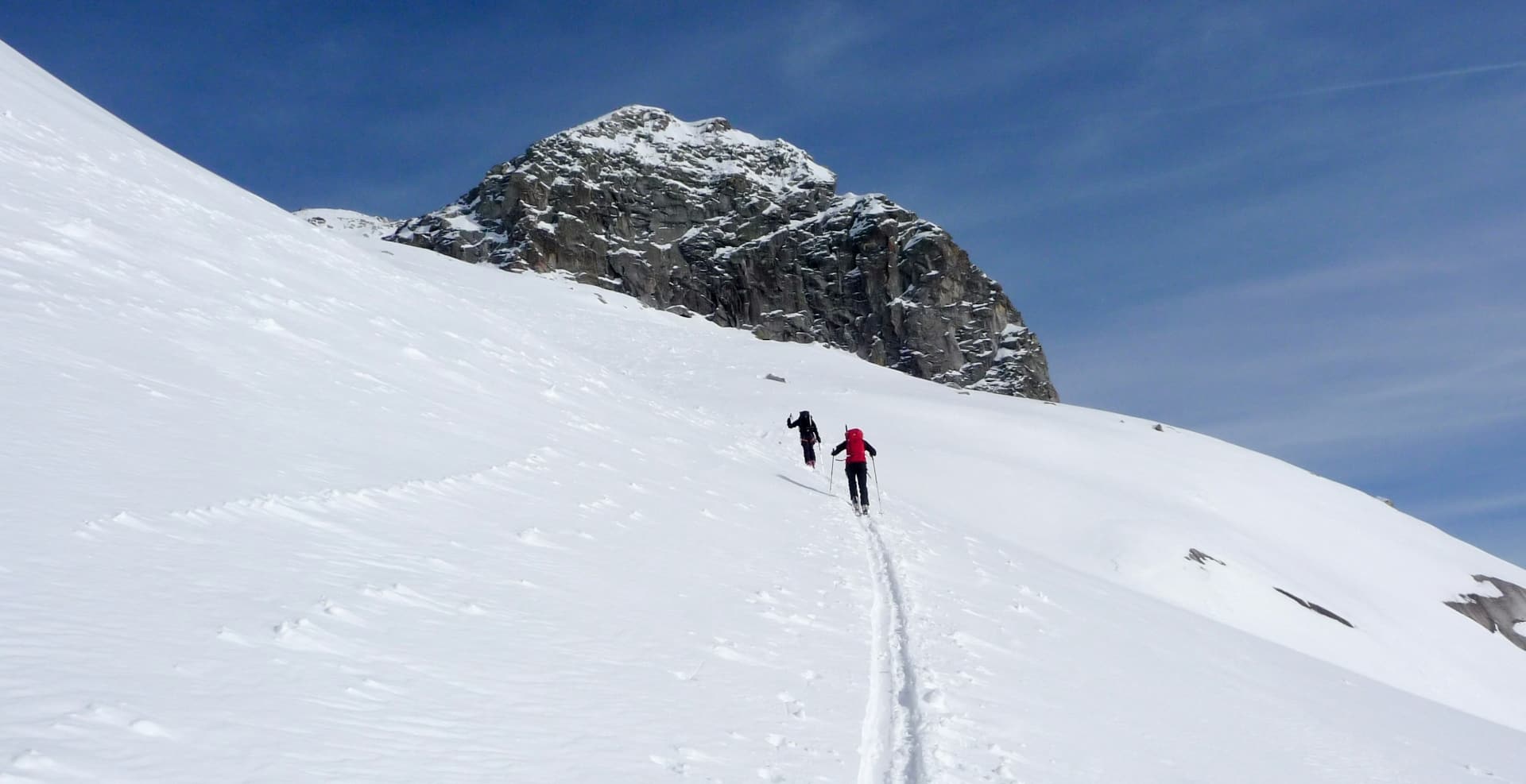
Luckily, I live in Lenggries and have the Brauneck ski area practically on my doorstep. Over time, I
have moved away from alpine skiing and now prefer to go touring on skis or cross-country skiing. Ski
touring and cross-country skiing are an ideal complement to cycling and are an excellent way to stay in
shape in winter while clearing my head.

About the Author

In this article
01. Preparation: How I set up the HUAWEI WATCH GT 6 Pro for Ski Touring
02. Step by Step: My Setup Before the Start
03. A Day at Brauneck: 22.55 Kilometres on Skis
04. How It Feels on the Route
05. How I Train Specifically with the Watch
06. After the Tour: Converting Data into Training
07. Winter Recovery: Why the Watch Is Especially Important
Preparation: How I set up the HUAWEI WATCH GT 6 Pro for Ski Touring
My standard territory is around Lenggries, often on the Brauneck and the side valleys. Depending on
the snow conditions, I also go on tours in more unfamiliar terrain. This is where the watch's
navigation system really shines and my mobile phone stays in my rucksack more and more.
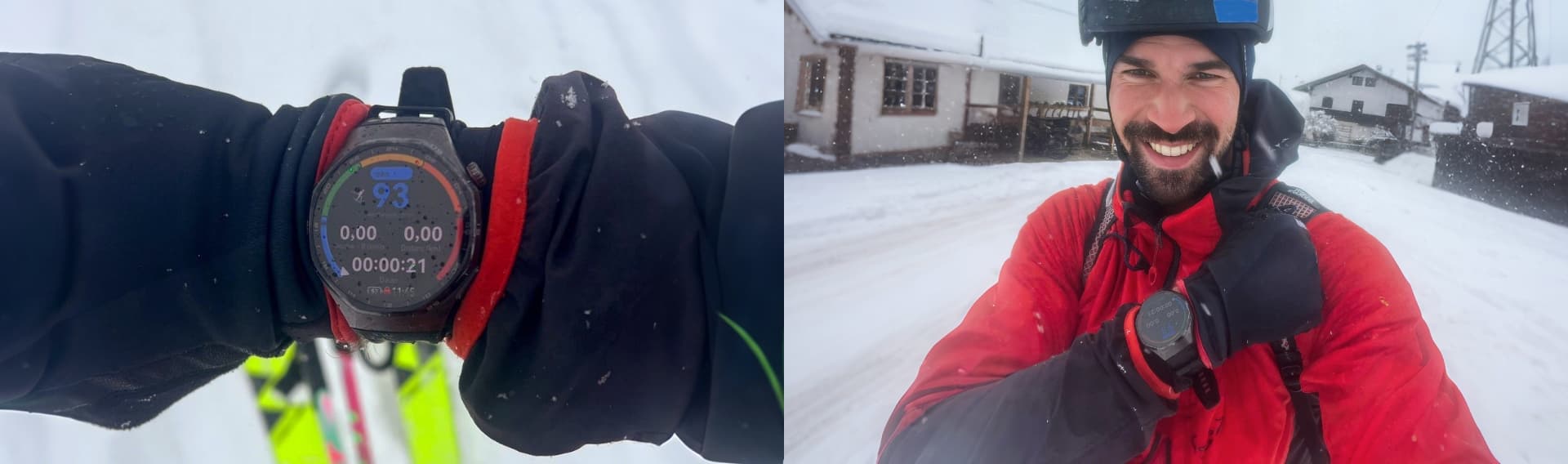
For my ski tours, I use the cross-country skiing mode or an outdoor run mode, as there
is no
separate ski touring profile yet. I hope that will come at some point, but even now I can keep a
good eye on all the important values.
Accurate GPS and Heart Rate for Advanced Sports
Up to 21-Day Battery Life no more battery anxiety for outdoor sports
Pro-level Cycling Tracking with Virtual Cycling Power
Sapphire Glass Titanium Alloy
Step by Step: My Setup Before the Start
This is what it looks like in practice before I set off:
a) Battery and Sensor Check
In the evening, I charge the watch to at least 80 per cent, which is easily enough for a whole day
in the cold. Shortly before the tour, I check that my wrist is clean and dry and that the strap fits
snugly so that the optical heart rate measurement works properly.
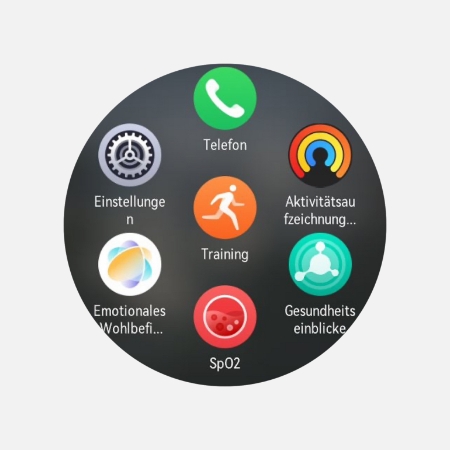
b) Select Sport
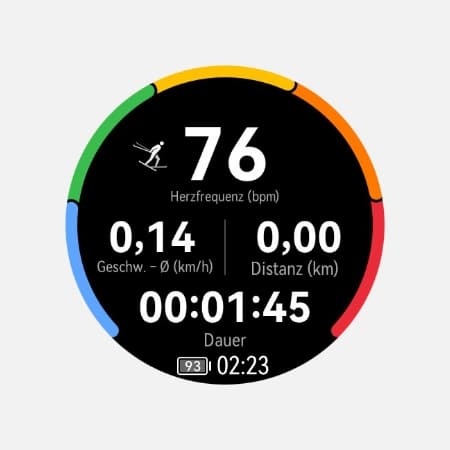
In the training menu, I select cross-country skiing and adjust the data pages. On the first page, I
can see the duration, distance, heart rate and current speed. On the second page, I can see the
altitude, current pace per kilometre and total ascent.
c) Route and Navigation
When using the watch during cross-country skiing, it automatically records the entire route,
allowing me to review it later in the HUAWEI Health
App and see the elevation, distance, pace and
effort throughout the ascent and descent. In Outdoor Running mode, the experience goes even further:
I can download the route directly to the watch beforehand, which makes navigation on unfamiliar
terrain much easier and provides extra confidence when heading into the mountains.
d) Define Training Goals & Set Heart Rate Zones
I store my training zones in the app. For tough sessions, I set an alarm for when I exceed a certain
heart rate. This helps me stay within the planned range, whether I'm on skis or on my bike.
e) Start and Display Lock
I only start the workout in the car park once the GPS signal is stable. In heavy snowfall or when
I'm working a lot with my poles, I can also activate the display protection so that I don't
accidentally stop the training session.
"In the past, winter kilometers were more about feeling. Now I have the HUAWEI WATCH GT 6 Pro track every interval session on ski tours and see how it fits into my overall training plan in the app."
A Day at Brauneck: 22.55 Kilometres on Skis
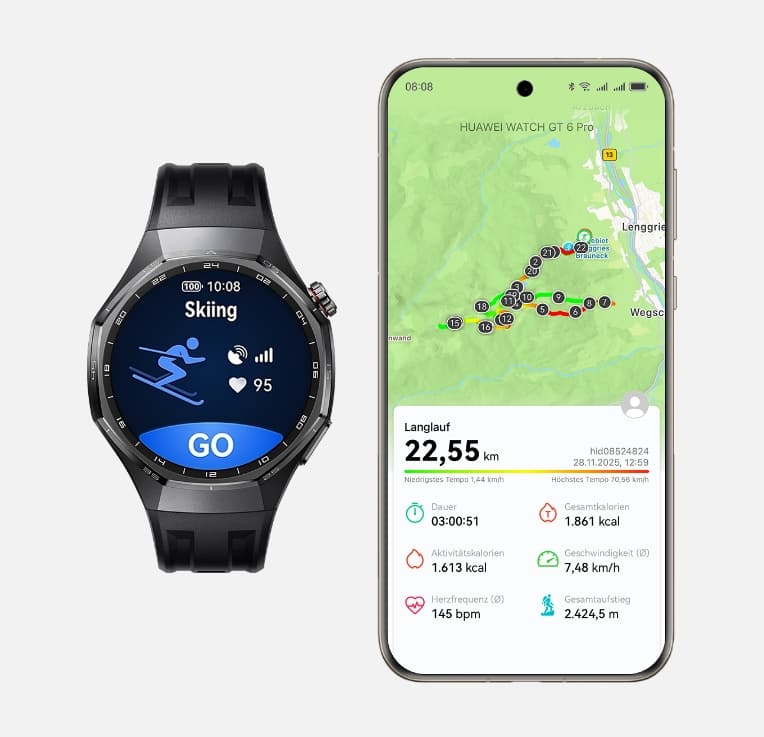
To illustrate this, I'll take you along on my last longer tour, which you can see in the
screenshots. It was a home circuit in the terrain around Lenggries, which I used as ski touring
training.
•Distance: 22.55 kilometres
•Duration: 3 hours and 51 seconds
•Calories: 1,613 kcal (active) 1,861 kcal (total)
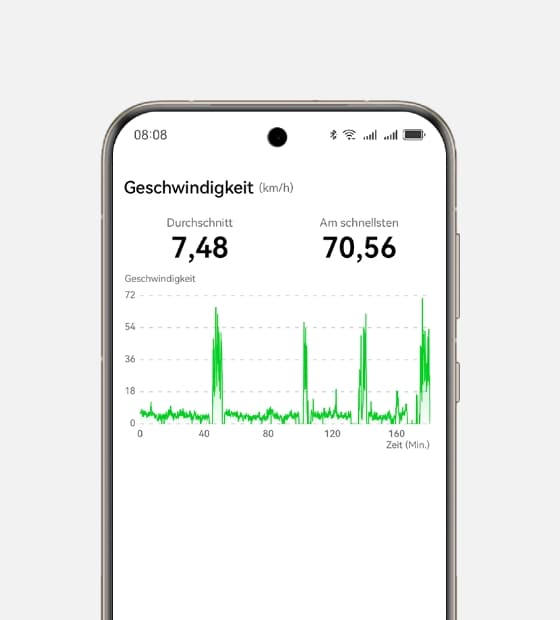
•Speed: 7.48 kilometres per hour (⌀), 71 kilometres per hour (max.)
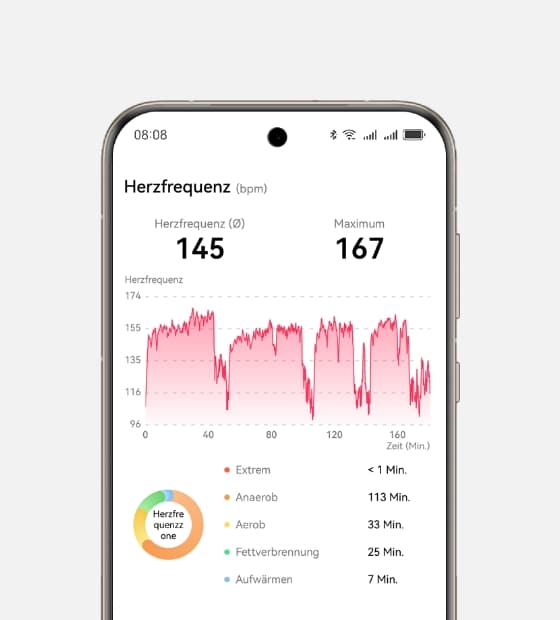
•Heart rate: 145 bpm (⌀), 167 bpm (max.)
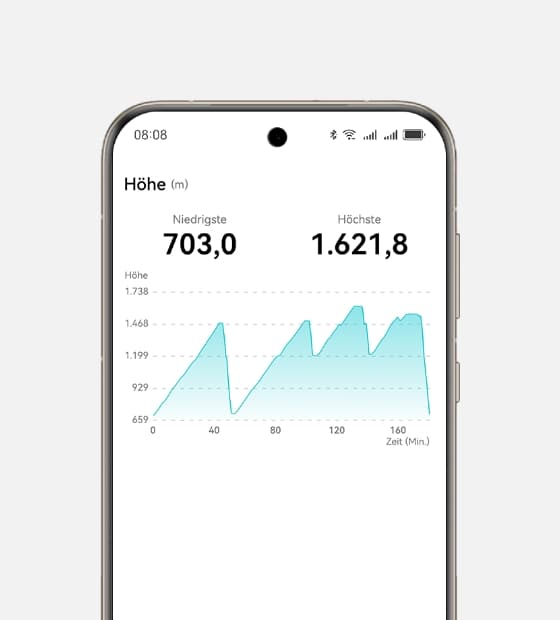
•Elevation gain: 2,424.5 m (ascent), 2,411.6 m (descent)
•Aerobic training load: 4.6 (‘high impact’)
•Recommended recovery time: 32 hours
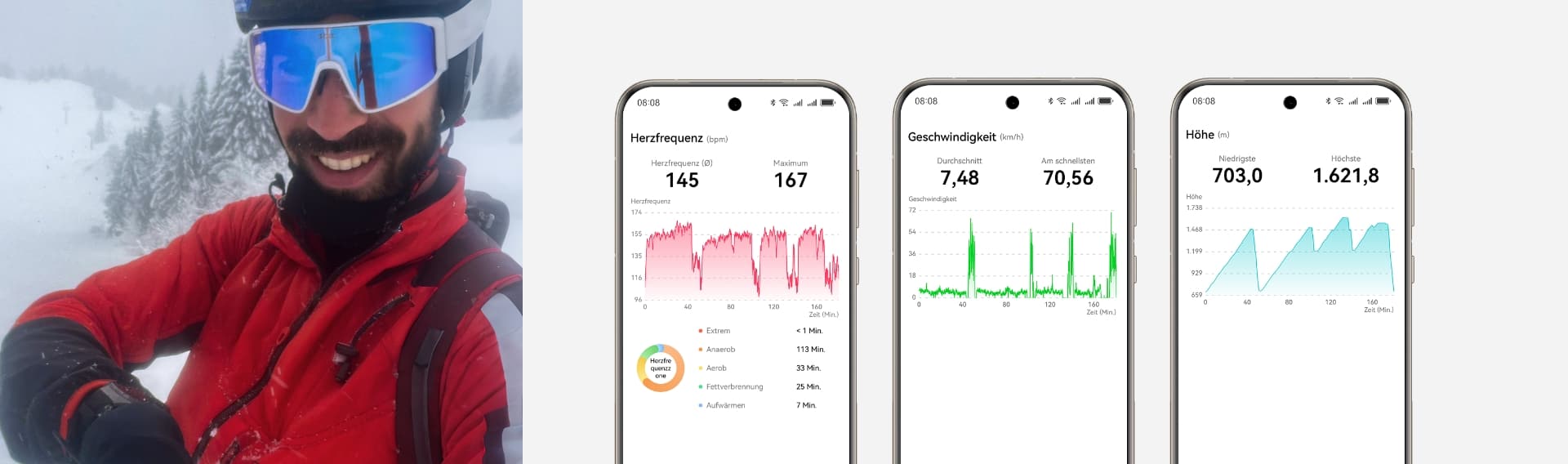
The figures alone show that this was no walk in the park, but a solid workout. The watch
shows
me in the heart rate analysis that I was in the anaerobic zone for around 113 minutes, in
the
aerobic zone for 33 minutes, in the fat burning zone for 25 minutes and warming up for 7
minutes. That pretty much matches how I felt on the tour.
The figures alone show that this was no walk in the park, but a solid workout. The watch shows me in the heart rate analysis that I was in the anaerobic zone for around 113 minutes, in the aerobic zone for 33 minutes, in the fat burning zone for 25 minutes and warming up for 7 minutes. That pretty much matches how I felt on the tour.
How It Feels on the Route
The tour began with a long climb in the forest. The aim here was to find a steady rhythm and stay in
the aerobic zone. This involves closely monitoring your own pulse and adjusting your pace
accordingly.
In the middle section, I like to incorporate a few more intense blocks. On this day, there were
three longer climbs. In the heart rate diagram, these are the three rear peaks and the short
recovery phases in between. For me, this is exactly what makes a good winter session: long basic
sections with a few targeted intervals.
Of course, the descent is really fun. The watch shows me afterwards that I was travelling at
over 70
km/h in places. In the speed diagram, you can see how much the pace changes: uphill sections at
4 to
6 km/h, then descents at around 50 km/h. These contrasts are typical for ski tours.
In the middle section, I like to incorporate a few more intense blocks. On this day, there were
three longer climbs. In the heart rate diagram, these are the three rear peaks and the short
recovery phases in between. For me, this is exactly what makes a good winter session: long basic
sections with a few targeted intervals.
Of course, the descent is really fun. The watch shows me afterwards that I was travelling at
over 70
km/h in places. In the speed diagram, you can see how much the pace changes: uphill sections at
4 to
6 km/h, then descents at around 50 km/h. These contrasts are typical for ski tours.
How I Train Specifically with the Watch
Based on this data, I plan different types of winter sessions that you can easily replicate with the
HUAWEI WATCH GT 6 Pro. The training basis for this is the heart rate zones
in the HUAWEI Health
App, which
you can adjust to your fitness level.
In the warm-up zone, the body is slowly brought up to speed: the circulation and muscles
get
going
without being strained. In the fat-burning zone, the body works relatively easily and
primarily uses
fat as an energy source – ideal for longer, relaxed sessions and for weight loss. In the
aerobic
zone, basic endurance is trained, the heart becomes stronger and more efficient, and
performance
increases in the long term. The anaerobic zone is all about high intensity: the body
learns
to cope
with high levels of lactate and to perform significantly better for short periods of time.
Finally,
the extreme zone involves maximum sprints or very hard peaks of exertion, which primarily
challenge
speed, maximum performance and the nervous system, but should only be kept very short.
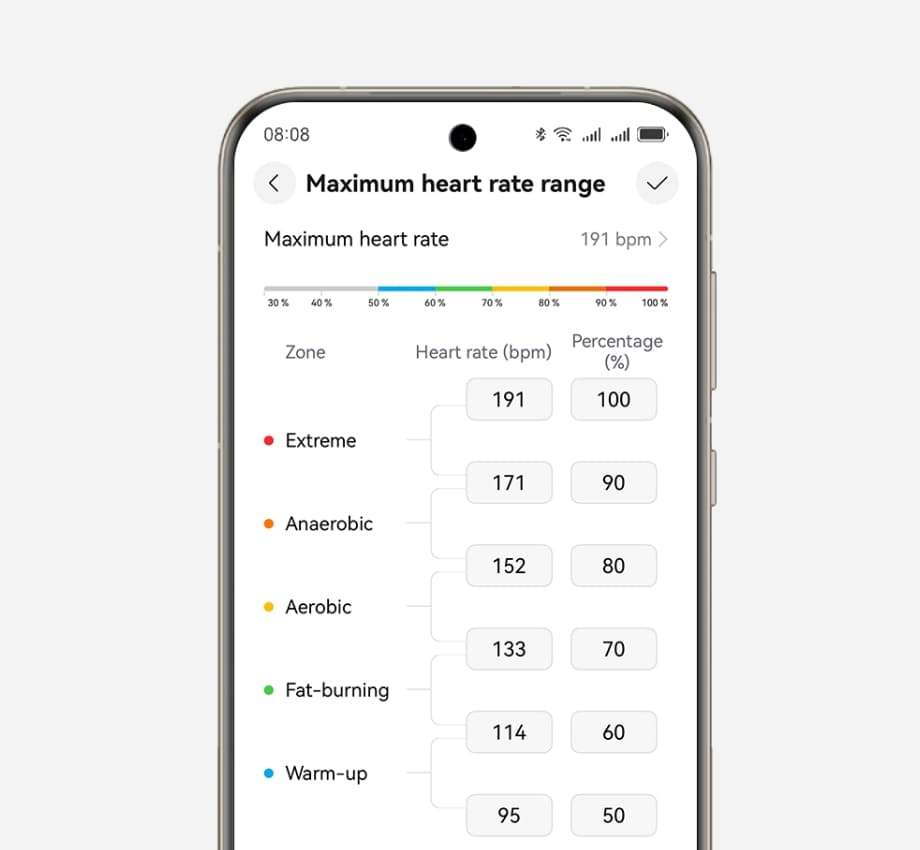
In the warm-up zone, the body is slowly brought up to speed: the circulation and muscles get going without being strained. In the fat-burning zone, the body works relatively easily and primarily uses fat as an energy source – ideal for longer, relaxed sessions and for weight loss. In the aerobic zone, basic endurance is trained, the heart becomes stronger and more efficient, and performance increases in the long term. The anaerobic zone is all about high intensity: the body learns to cope with high levels of lactate and to perform significantly better for short periods of time. Finally, the extreme zone involves maximum sprints or very hard peaks of exertion, which primarily challenge speed, maximum performance and the nervous system, but should only be kept very short.
a) Classic Endurance Ski Tour The goal is long, steady exertion.
I use the heart rate alarm for this. If I exceed my defined aerobic zone, I slow down or take a
short drink break. The watch prevents me from accidentally overdoing it or rushing.
•Duration: 2 to 4 hours
•Heart rate: mainly in the fat burning and lower aerobic range
b) Interval Training on the Mountain Relaxed tour with occasional exertion.
In the evaluation, I can see exactly how consistently I have ridden, whether my heart rate rises
during the intervals and how quickly I recover on the descents.
•Example: 4x10 minutes uphill in zone 4, with gentle climbs/descents in between
•Heart rate: short intervals in the anaerobic zone (150-170 bpm)
c) Focus on Technique on the Cross-Country Ski Trail When cross-country skiing, I work a
lot
on
technique and coordination.
Here, I primarily make sure not to go too high. The watch helps me stay focused and not slip
back
into competition mode out of habit.
•Duration: 60 to 90 minutes
•Intensity: mostly low to medium
•Heart rate: in the aerobic zone
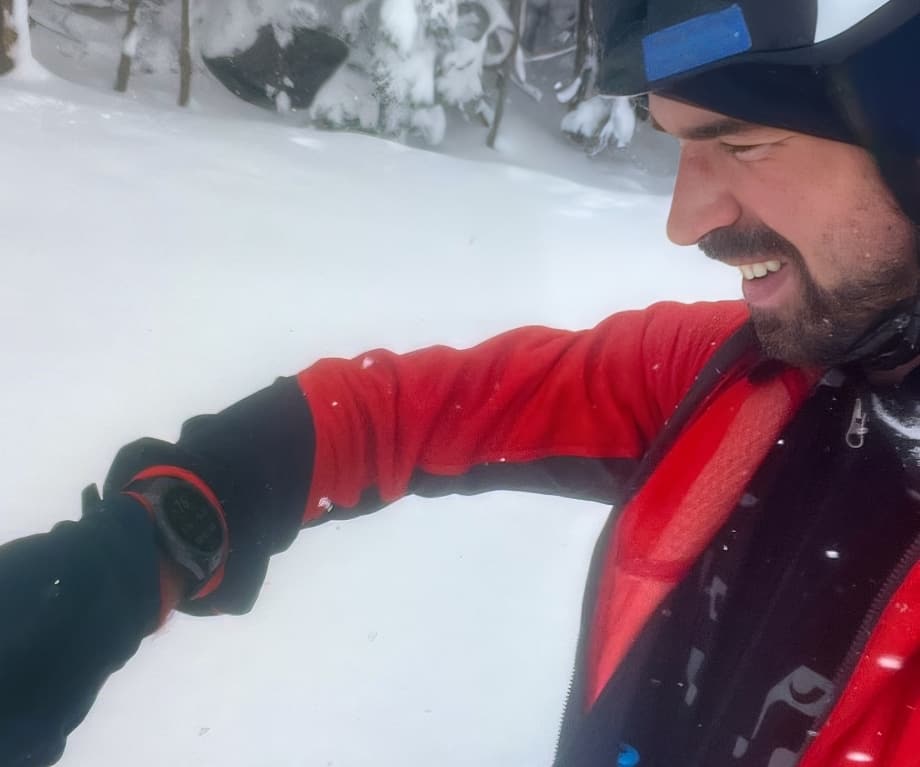
b) Interval Training on the Mountain Relaxed tour with occasional exertion.
In the evaluation, I can see exactly how consistently I have ridden, whether my heart rate rises
during the intervals and how quickly I recover on the descents.
•Example: 4x10 minutes uphill in zone 4, with gentle climbs/descents in between
•Heart rate: short intervals in the anaerobic zone (150-170 bpm)
c) Focus on Technique on the Cross-Country Ski Trail When cross-country skiing, I work a
lot
on
technique and coordination.
Here, I primarily make sure not to go too high. The watch helps me stay focused and not slip
back
into competition mode out of habit.
•Duration: 60 to 90 minutes
•Intensity: mostly low to medium
•Heart rate: in the aerobic zone
After the Tour: Converting Data into Training
For me, the exciting part often comes when I get home and open the HUAWEI Health
App. First, I check
the overview: map, elevation profile, distance, ascent, training load. For my ski tour covering
22.55 kilometres and 2,424 metres of elevation gain, the watch shows me an aerobic load of 4.6 and a
recommended recovery time of 32 hours.
This means:
•The next day, I only have a short, easy session on the roller or a walk planned,
•the second day is open again for a longer tour, depending on the weather, either on the bike or
skis, or a shorter, hard session.
This means:
•The next day, I only have a short, easy session on the roller or a walk planned,
•the second day is open again for a longer tour, depending on the weather, either on the bike or
skis, or a shorter, hard session.
Tips for cold weather and gloves
In winter, I usually wear the watch just under my jacket sleeve, directly on my skin. This keeps the
sensor warm and ensures more accurate measurements. The touchscreen can be a bit fiddly with gloves
on, but the crown on the side is perfectly adequate for changing pages, marking laps or ending the
workout during training. The screen is easy to read even with ski goggles on in bright snow.
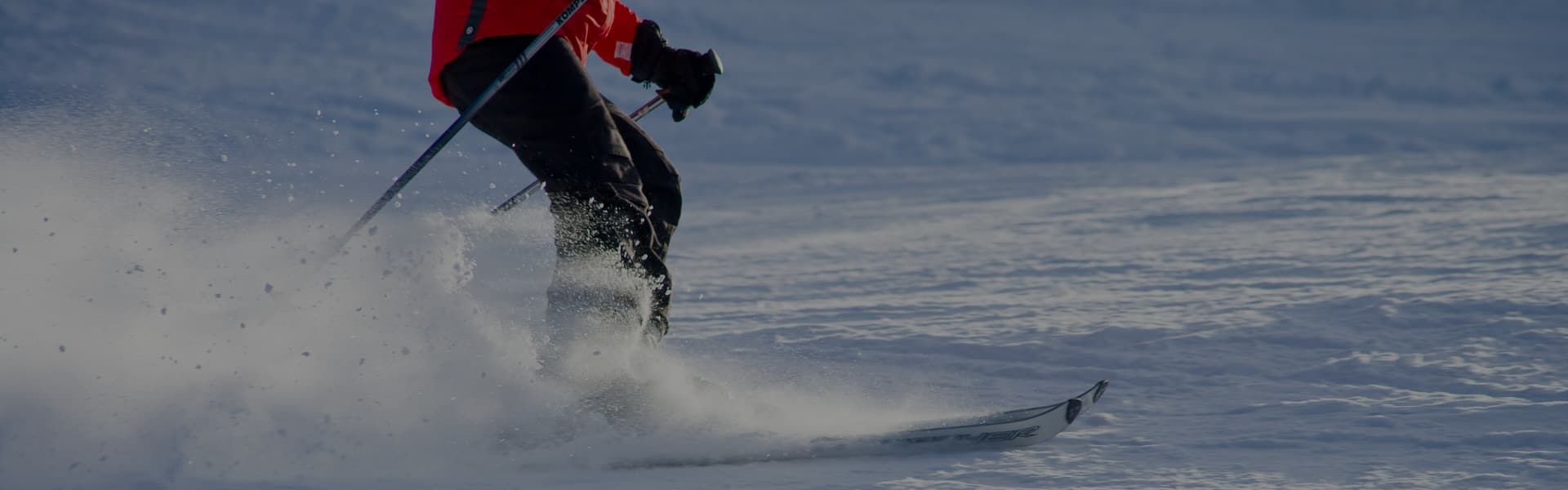
"For me, the HUAWEI WATCH GT 6 Pro is the link between summer and winter training. It reliably measures what my body achieves on ski tours, cross-country skiing and cycling."
Winter Recovery: Why the Watch Is Especially Important
In winter, the risk of colds and infections is significantly higher. At the same time, there is a
great temptation to make the most of every break in the weather. This is exactly where the HUAWEI WATCH GT 6 Pro helps me.
I regularly monitor:
•my resting heart rate in the morning
•my heart rate variability(HRV)
•my sleep duration and quality
•my stress levels throughout the day
When I see that my resting heart rate is significantly elevated or my HRV values are deteriorating,
it's time to slow down and do a shorter or completely relaxed session – in the best case scenario,
this will save me from possible days off due to overtraining.
Conclusion
My tip for anyone who wants to stay active over the winter: set yourself a goal for the spring, such as a marathon, a cycling event or simply your longest hike to date. Use the HUAWEI WATCH GT 6 Pro as a partner that shows you where you stand, reminds you to recover and motivates you to go outside even on dark days.
The author of this article is Andreas Seewald. The views expressed are his own.
The information is to be used as general information only, and is not to be taken as advice with
respect to any individual situation and cannot be relied upon as such. A healthcare provider should
be consulted when attempting to diagnose a condition or when determining the best course of action
for any health-related concern.
Users should exercise in a safe and suitable manner which is commensurate to their own exercise
capabilities and limits.
The heart rate and heart rate variability features are not a medical device, and therefore its
monitoring data and results are for reference only and should not be used as a basis for medical
diagnosis or treatment.
Read more
Explore

Copied