
Under Pressure - Why Normal Blood Pressure is an Essential Component of our Health

Copy Link


Written By Dr Daniel M. Plecity
Under Pressure - Why Normal Blood Pressure is an Essential Component of our Health
7 min readPublished on 27/11/2025 · 15:00
Copy Link


ABOUT THE AUTHOR

01.What is Blood Pressure?
02.Blood Pressure Changes in Everyday life - Between High Pressure and Relaxation
03.What Blood Pressure is Normal?
04.Modern Methods for Measuring Blood Pressure
05.Why Should you Measure your Blood Pressure Regularly?
06.Wearing Comfort and Accuracy
07.Healthy and Active: How to Keep an Eye on your Blood Pressure
01
What is Blood Pressure?
In order for the blood to flow effectively through the body and supply all organs and tissues adequately, your body needs the right blood pressure. Blood pressure is the force that the blood exerts on the walls of the arteries and veins as it flows through our body. This is measured in "millimetres of mercury", abbreviated mmHg (Hg is the chemical symbol for mercury) and varies depending on where it is measured. If the blood pressure is too high, the risk of cardiovascular disease increases considerably. But what blood pressure values are still considered healthy and at what point do we speak of high blood pressure?
02
Blood Pressure Changes in Everyday life - Between High Pressure and Relaxation
Everyone knows it. When we are excited or in a stressful situation, our body finds itself in an exceptional situation. When we are wide awake, adrenalin is pumped into our system and our blood pressure rises. This is a good thing at the time, as we have to perform in some way.
Imagine, for example, that you have an important job interview. You are excited, your heart beats faster and your blood pressure rises so that your muscles and organs get enough oxygen and energy to deal with the stressful situation. After the interview is over, you can breathe again. Your breathing will return to normal, your heart rate will slow down and your blood pressure will drop.
These short-term fluctuations in blood pressure are normal and a sign that your body is reacting appropriately to stress. As long as your blood pressure returns to normal levels after such stressful situations, there is usually no cause for concern. However, if your blood pressure remains permanently high, you should take action.

03
What Blood Pressure is Normal?
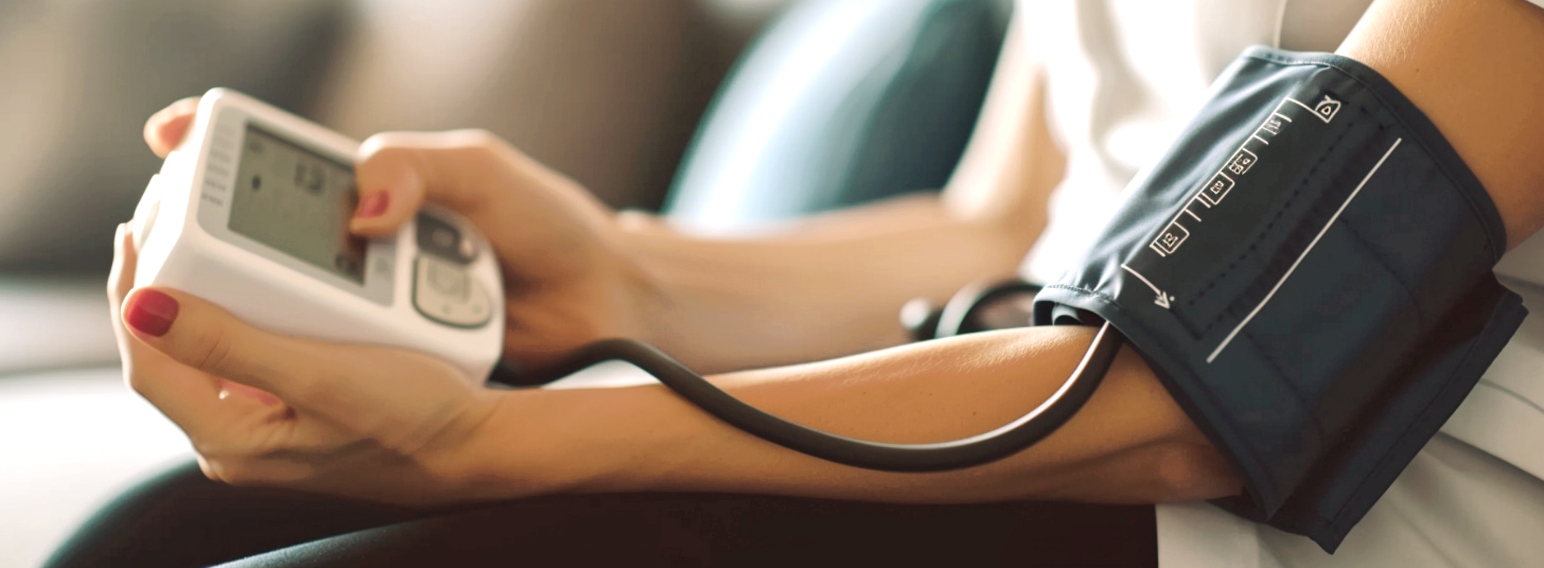
The German Hypertension League defines "normal" blood pressure as 120-129mmHg systolic (the upper value) and 80-84mmHg diastolic (the lower value).
What do these values mean? The heart contracts (systole) and pumps the blood into our organism, the heart relaxes (diastole) and fills up again. Lower blood pressures are also perfectly fine as long as no symptoms such as dizziness occur. Values above 140/90mmHg are defined as the first stage of high blood pressure.
There are two different types of high blood pressure:
•Primary, which usually occurs with increasing age without any recognisable cause (90% of cases).
•Secondary hypertension occurs due to other underlying diseases and is much rarer.
Good to know:
A distinction is made between the following blood pressure ranges:
Optimal: Less than 120 mmHg (systolic) and less than 80 mmHg (diastolic)
Normal: 120-129 mmHg (systolic) and/or 80-84 mmHg (diastolic)
High normal: 130-139 mmHg (systolic) and/or 85-89 mmHg (diastolic)
High blood pressure: From 140 mmHg (systolic) and/or from 90 mmHg (diastolic)
04
Modern Methods for Measuring Blood Pressure
In medicine, there is only one established (non-invasive) method of measuring blood pressure. This method, which was introduced by the Italian internist, pathologist and paediatrician Riva-Rocci, uses a blood pressure cuff.
But wearables for monitoring health data, including blood pressure, are also becoming increasingly popular:
•Fitness trackers: Some advanced fitness trackers contain sensors that can estimate blood pressure, although they often rely on algorithms and need to be calibrated regularly.
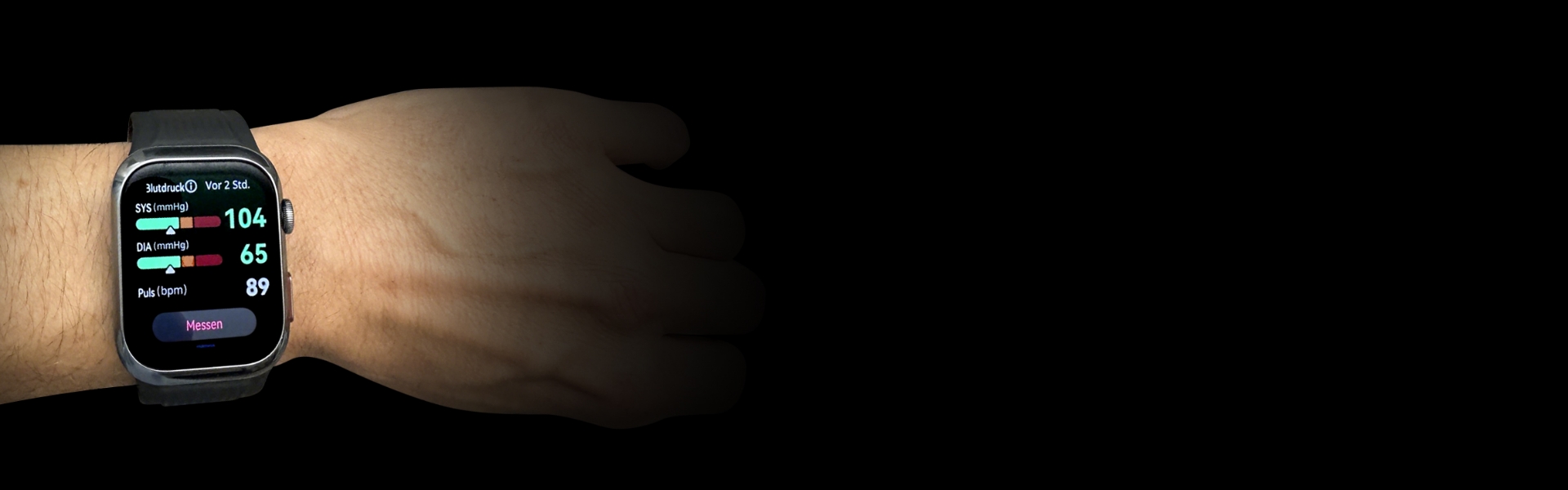
•Smartwatches: Devices such as the HUAWEI WATCH D and HUAWEI WATCH D2 offer blood pressure monitoring. The HUAWEI WATCH D and HUAWEI WATCH D2, for example, has an integrated small inflatable cuff and sensors in the wristband to provide measured values.
Blood pressure measurement directly on the wrist with the HUAWEI WATCH D and HUAWEI WATCH D2
The measurement with the HUAWEI WATCH D and HUAWEI WATCH D2 is carried out as follows:
05
Why Should you Measure your Blood Pressure Regularly?
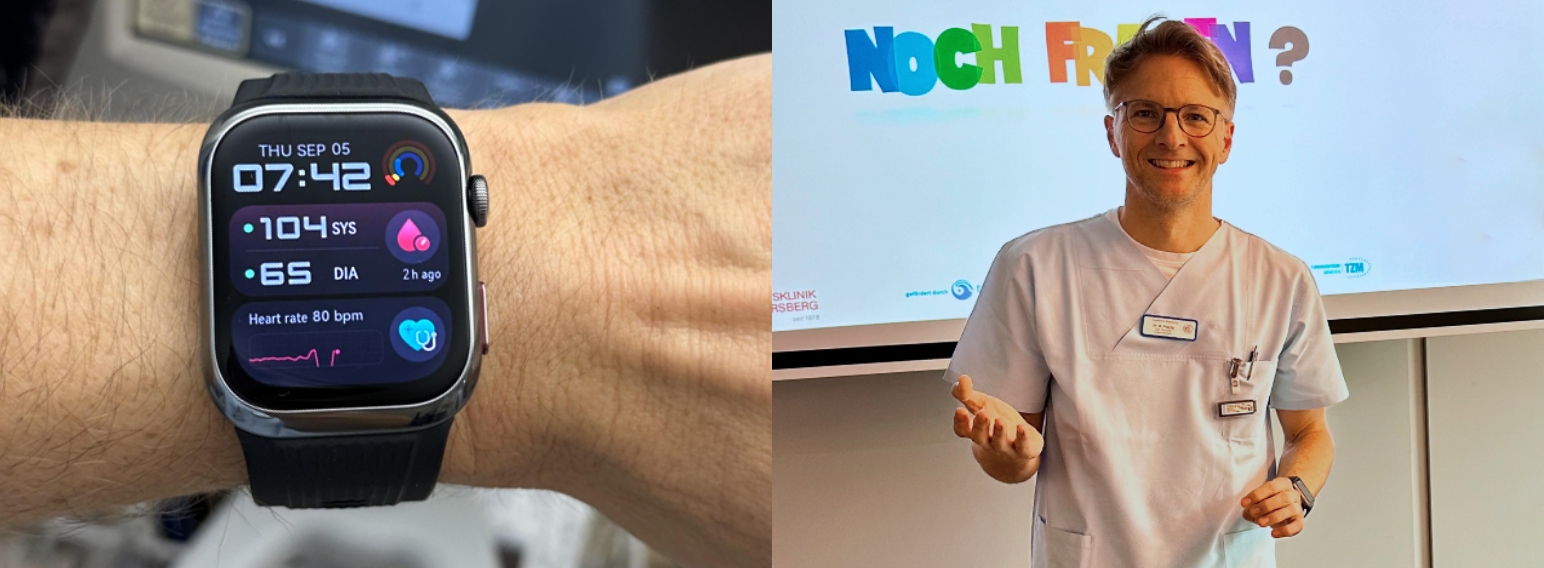
Blood pressure changes over the course of a lifetime. With increasing age, blood pressure rises by a few mmHg as the blood vessels lose elasticity over the years. Ambulatory blood pressure measurement is the gold standard for recognising the first signs of high blood pressure. As we don't always think about our blood pressure, especially when we are young, the HUAWEI WATCH D2 not only reminds us to take regular measurements, but is now the first smartwatch to enable automatic measurements, i.e. ambulatory blood pressure monitoring (ABPM). It also saves the history on your smartphone. This means it can be viewed at any time or shown to the doctor treating you.
Blood pressure is an essential cornerstone of health and a predictor of the risk of:
•Heart disease (e.g. heart failure, heart attack or development of atrial fibrillation)
•Vascular diseases
•Strokes
•Chronic damage to organs such as the kidneys.
But the HUAWEI WATCH D2 can do even more: an ECG is precisely recorded and analysed, and the heart rate and oxygen saturation in the blood are also monitored over 24 hours. In addition, the stress level, skin temperature and sleep quality are documented. In summary, the watch warns us and provides early feedback if our "body" has a problem.

Ambulatory Blood Pressure Monitoring
All-Round Health Management
Light and Slim Design
Smart Living Experience
Blood pressure is an essential cornerstone of health and a predictor of the risk of:
•Heart disease (e.g. heart failure, heart attack or development of atrial fibrillation)
•Vascular diseases
•Strokes
•Chronic damage to organs such as the kidneys.
But the HUAWEI WATCH D2 can do even more: an ECG is precisely recorded and analysed, and the heart rate and oxygen saturation in the blood are also monitored over 24 hours. In addition, the stress level, skin temperature and sleep quality are documented. In summary, the watch warns us and provides early feedback if our "body" has a problem.
06
Wearing Comfort and Accuracy
How does the HUAWEI WATCH D2 feel to wear? The watch is comfortable to wear on the wrist and does not exert any pressure at all. I compared the blood pressure measurements with a medical (professional) device and the values were almost identical. The HUAWEI WATCH D2 also determines correct values at night depending on the sleeping position.
The measurement process is simple and the last measurements are also shown on the display with a time stamp. I have measured individual test subjects with the HUAWEI WATCH D2 and the values were identical even in higher-grade hypertensive patients, the watch recognised measurement errors due to changes in position and made direct recommendations. My test subjects were also quickly impressed by the watch. The HUAWEI WATCH D2 is a successful blend of medical device and lifestyle accessory that has been met with a consistently positive response.

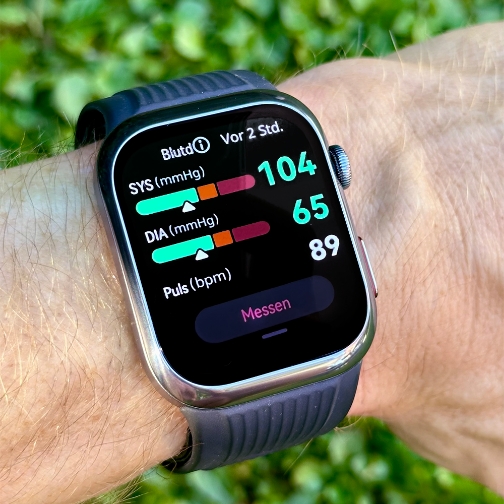
The measurement process is simple and the last measurements are also shown on the display with a time stamp. I have measured individual test subjects with the HUAWEI WATCH D2 and the values were identical even in higher-grade hypertensive patients, the watch recognised measurement errors due to changes in position and made direct recommendations. My test subjects were also quickly impressed by the watch.: The HUAWEI WATCH D2 is a successful blend of medical device and lifestyle accessory that has been met with a consistently positive response.
07
Healthy and Active: How to Keep an Eye on your Blood Pressure
Prevention is very important in medicine. How do I maintain normal blood pressure values or how can I work on high values? This is a question that needs to be clarified individually and, if necessary, discussed with a doctor. Diet, weight, age and genetic predisposition all play an important role.

A healthy diet is crucial for controlling blood pressure. A diet rich in fruit, vegetables and wholemeal products, which is also low in meat and processed foods, can lower blood pressure. Foods high in potassium, magnesium and fibre have a particularly positive effect on blood pressure. Salt should be consumed in moderation, as too much salt can increase blood pressure. The DASH diet (Dietary Approaches to Stop Hypertension), for example, is a proven nutritional programme for lowering blood pressure. A balanced diet not only helps to stabilise blood pressure, but also makes you feel better in general.
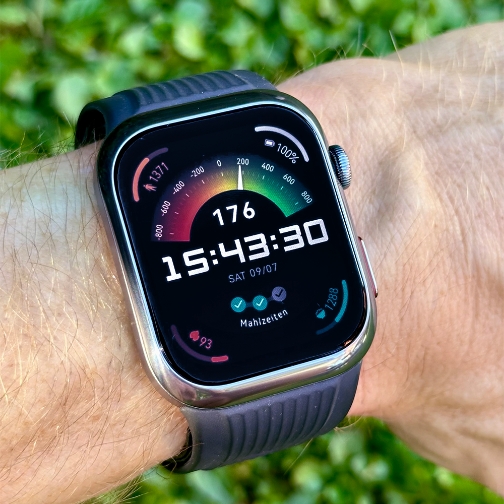
Sport and exercise are also crucial for preventing or lowering high blood pressure. In addition to daily steps, other types of sport, in my case a longer jog, can be very well documented by the HUAWEI WATCH D.
Conclusion
To summarise, both the HUAWEI WATCH D and the HUAWEI WATCH D2 are the perfect companions for people who are interested in their blood pressure or perhaps already have elevated blood pressure, who want to work on themselves and become fitter but also healthier. The HUAWEI WATCH D2 is a great further development of the first generation with a unique feature: 24-hour blood pressure measurement, also commonly known as ambulatory blood pressure monitoring (ABPM), which wears like a ‘normal smartwatch’ and offers all the functions that are currently required – but with even more.
Due to national restrictions on obtaining approval / registration as a medical device, the HUAWEI WATCH D will only be available in selected European markets, and the ECG feature only works on watches and smartphones purchased in countries where the service is available.
Supported smartphones: Mobile phones with Android 6.0 or compatibles, HarmonyOS 2.0 or compatibles, or iOS 12.0 or compatibles. The Huawei Health app version on your mobile phone must be 11.0 or compatibles. Please make sure that your wearable device and phone are running the latest versions before using ECG.
Heart rate, SpO2, stress, sleep quality and skin temperature are not medical device features. Monitoring data and results are for reference only and should not be used as a basis for medical diagnosis or treatment.
Dr Daniel M. Plecity
Report
Read More
Explore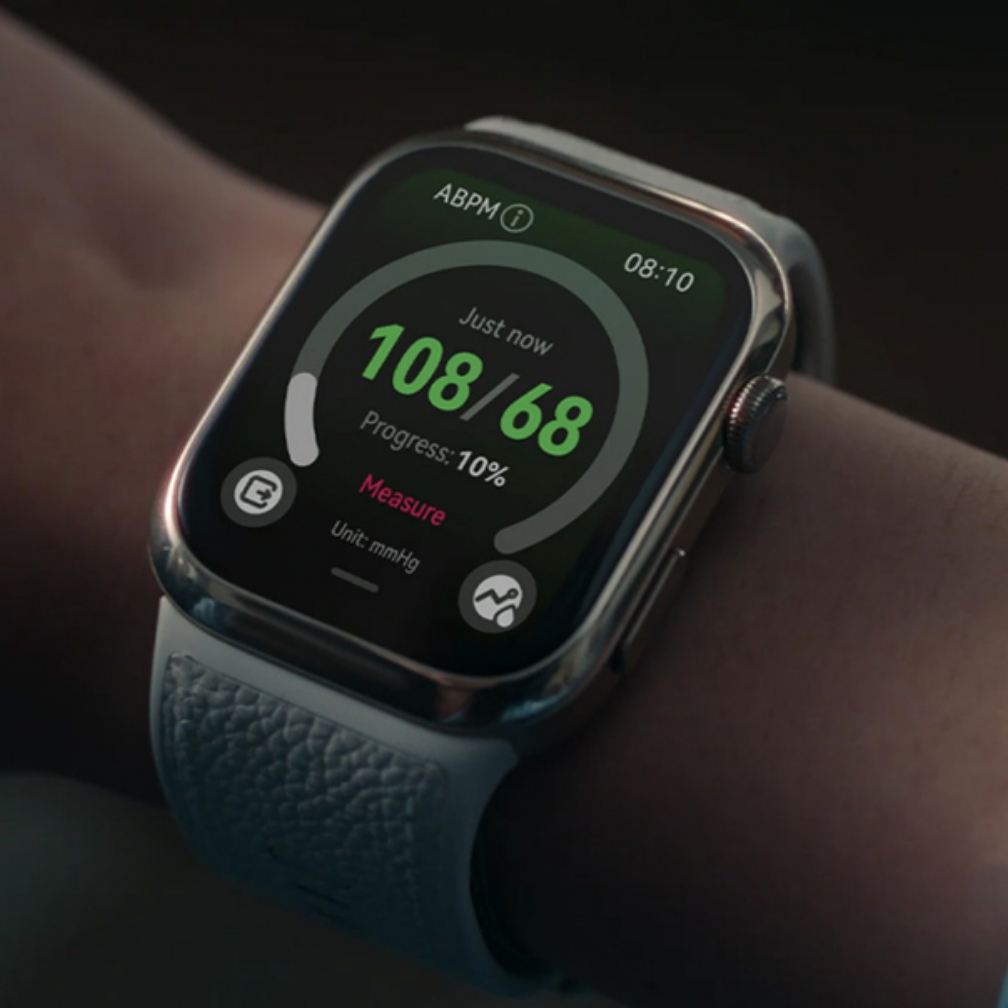


Copied