

Beyond the Course: How I Use the HUAWEI WATCH GT 6 Pro Before and After Training

Copy Link


Written by Ken Imai
Beyond the Course: How I Use the
HUAWEI WATCH GT 6 Pro Before and After Training
7 min readPublished on 13/11/2025 · 15:10
Published on 13/11/2025 · 15:10
Copy Link
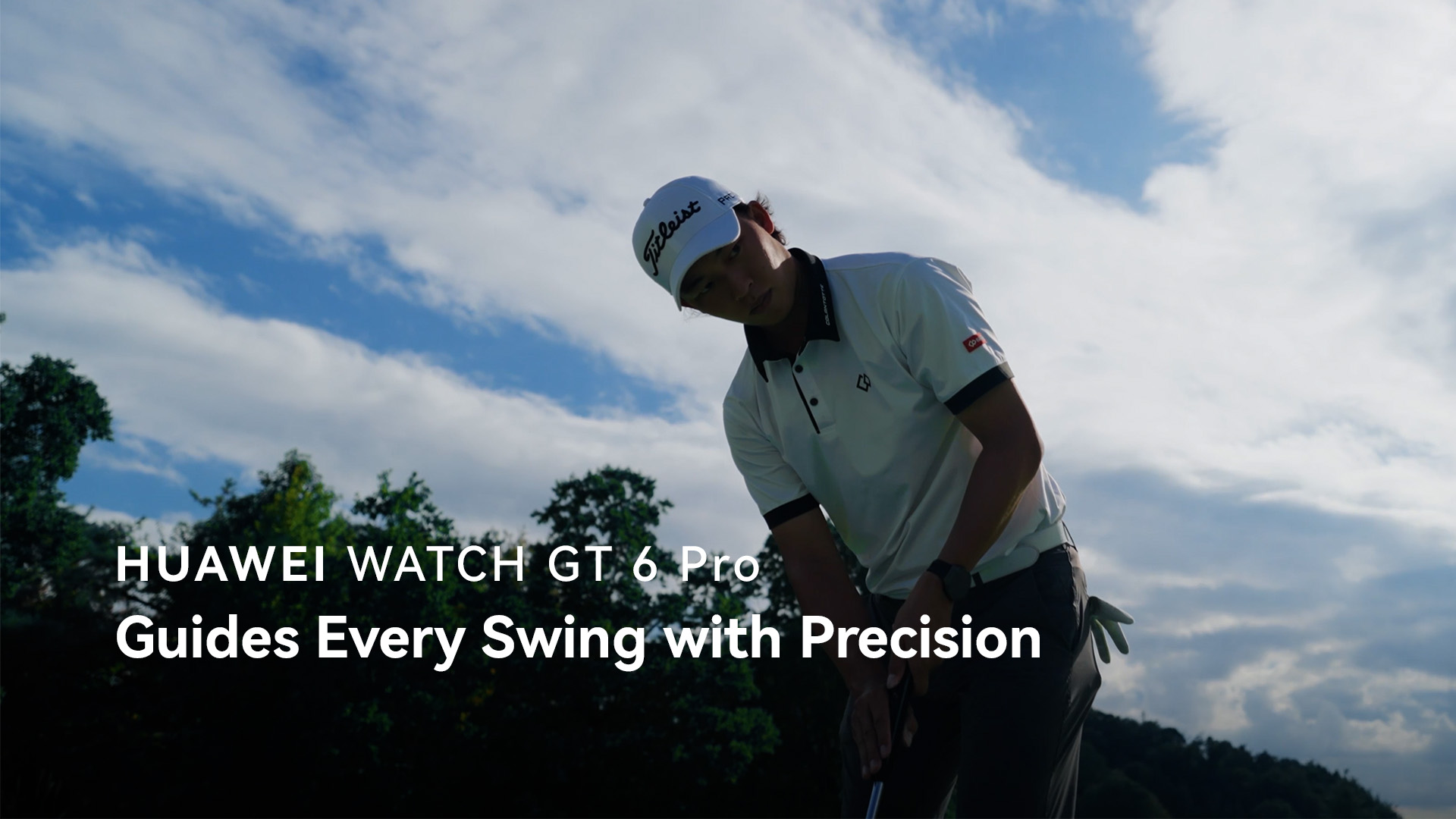

About the Author

01. Before training
02. During training
03. After training
04. How I turn these features into decisions
05. Travel and tournament days
06. Feature details that matter over a season
Before training
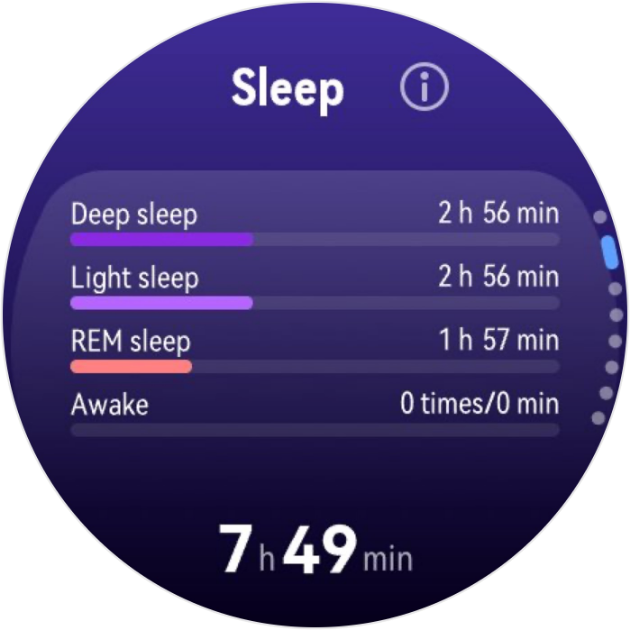
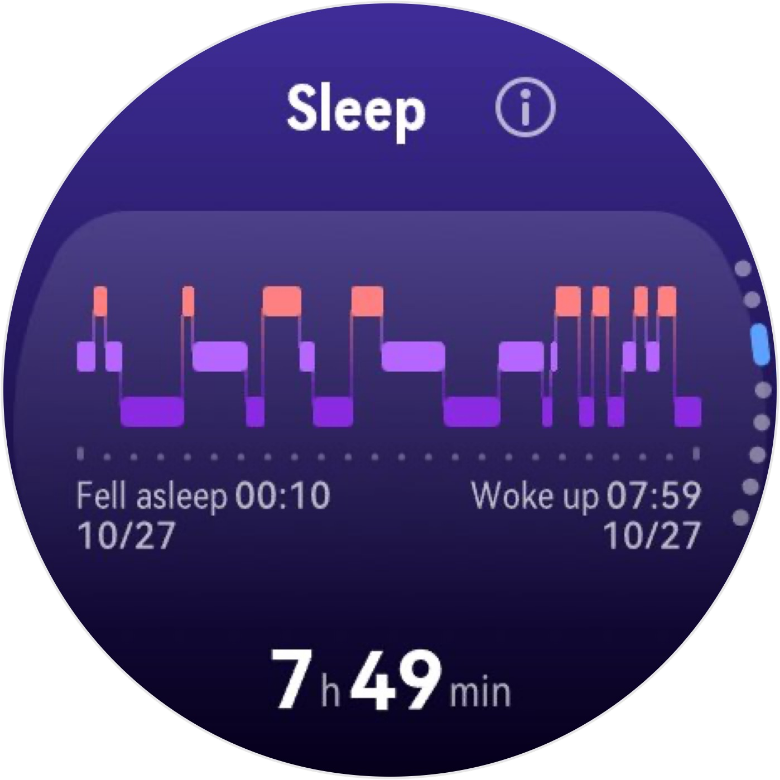
I begin by checking how ready my body is and what the day’s conditions look like. Every morning I look at TruSleep with the share of deep sleep around 38%, resting heart rate near 60 bpm, and HRV around 32 ms. If deep sleep is low or HRV dips, I shift to a lighter session and move the heavy swing work. If all three are in HUAWEIs “normal” zone, I extend the range block. Kyoto summers remind me to respect conditions, so I glance at temperature, UV, and pressure right on the watch. On very high UV days I shorten outdoor blocks and move drills under a roof. I also watch the stress score. If it climbs into the “moderate” range during practice, I take a water break, run a two-minute breathing exercise, and reset.



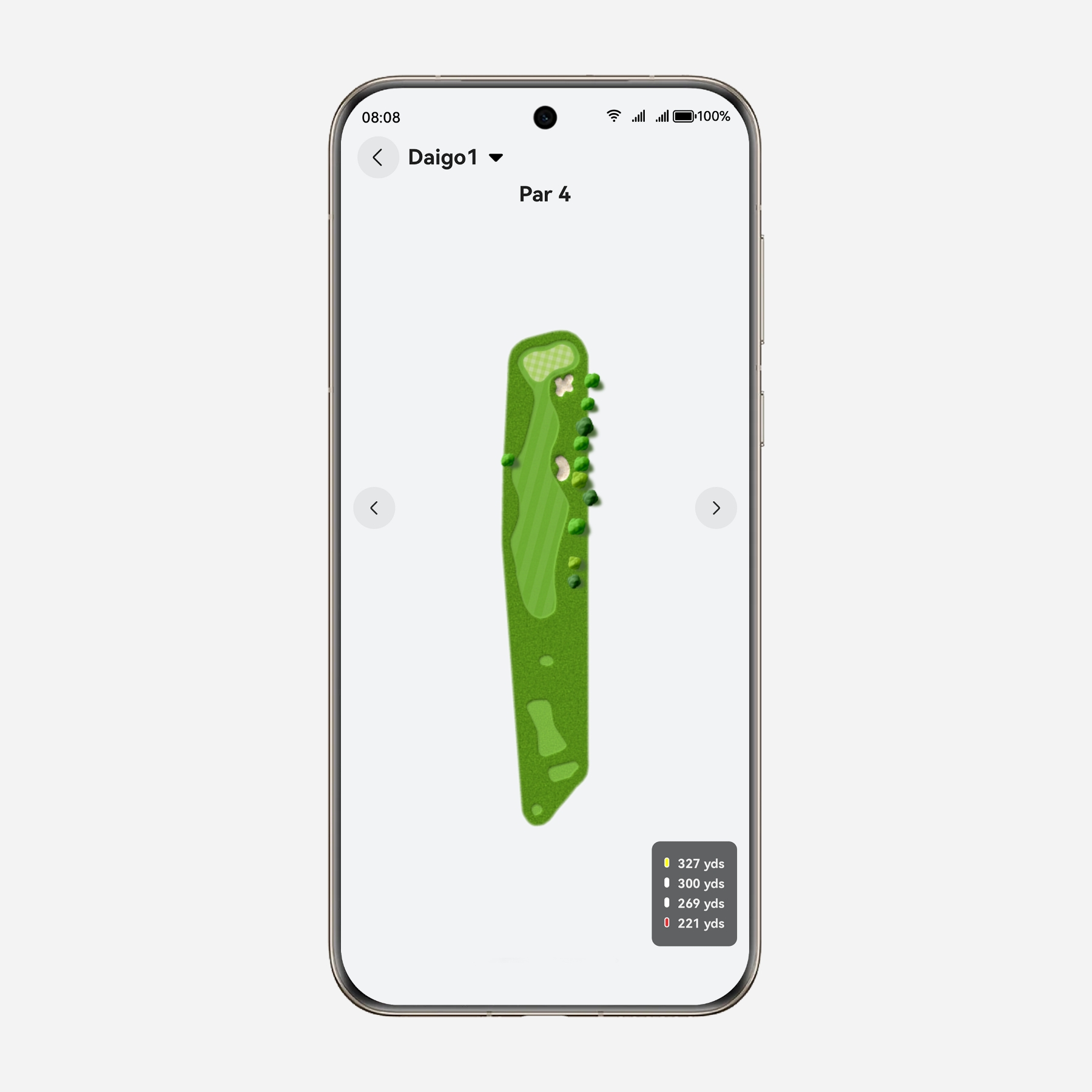
Preparation is also course specific. Two or three days before a round I import the course in the HUAWEI Health app and sync it to the HUAWEI WATCH GT 6 Pro. The watch store offers more courses simultaneously than I can play on, so switching venues on a travel day is quick and easy. Even my home course, Nissin Miyako Country Club, is available in the app, which makes it easy to track my regular practice sessions there with the same precision I use for tournaments.

Figure 1 Nissin Miyako Country Club, where Ken usually trains and where the video was filmed
I get zoomable vector maps with hole layouts, hazards, and green shapes. With a simple two-finger pinch gesture on the touchscreen, I can zoom in for a close look at the landing area or zoom out to view the entire hole. The watch store offers more courses simultaneously than I can play on, so switching venues on a travel day is quick and easy. The yardage screen shows front, middle, and back along with distances to hazards. I use that the night before to mark safe layup zones on tight par fours and to note where a front-edge number matters more than a centered figure.
I record where wind exposure changes a tee shot and plan lower flights on downwind holes and check downwind hazard distances to avoid long runouts. When I arrive for the practice round I already know where I want the ball to land.
Figure 1 Nissin Miyako Country Club, where Ken usually trains and where the video was filmed

“Routine is everything in golf. The HUAWEI WATCH GT 6 Pro keeps mine steady before, during, and after every round.”
During training
As described in my other article, I keep it simple on the range. I track swing tempo, clubhead speed, and a consistency score, and I let the HUAWEI WATCH GT 6 Pro log everything in the background. My best tempo sits near 3:1. If it drifts below 2.8:1, dispersion grows, so I slow down at the top. With a 7-iron I look for 90–92 mph and with the driver the low 110s. The watch records every rep, detects rest automatically, and filters dead time, so I can focus on the swing and review later.
During practice, I log every shot with the HUAWEI WATCH GT 6 Pro. The watch tracks my distances and swing data for each club, so over time it learns my averages. On the course, I just glance at the map — it shows the distance to the front, middle, and back of the green, and even recommends the right club for that shot.


Advanced outdoor sports
Comprehensive Health Management
Titanium alloy & Sapphire glass
Up to 21-day battery life
Over time, this has changed the way I practice. Reviewing the data afterward helps me see patterns I might not notice from the range, like when I’m getting too quick under pressure or when fatigue starts to creep in. If my tempo tightens or clubhead speed drops, I know it’s time to switch clubs or shorten the session before bad habits form. The same swing metrics also help with club selection: if I’m hitting my 8-iron at 88 mph instead of my usual 91, I know the ball will fly a few yards shorter, especially into the wind.
It's small adjustments like these, guided by the watch’s data, that build consistency over time. Each range session becomes less about grinding and more about learning how to make my swing reacts and how to keep it repeating when it matters most.

“During a round I can actually see my heart rate and stress level rise before a tough shot. Reviewing that data after 18 holes shows me exactly where I felt pressure, helping me breathe, refocus, and steadily improve my swing consistency.”
After training
This is where numbers turn into learning. I sync the session and open the graphs in HUAWEI Health App. I scan tempo first to see whether it held steady or trailed off in the last minutes.
Then I look at the speed distribution. If the middle of the curve moved a touch right and contact stayed clean, I keep that drill. If it shifted left after a heavy strength day, I cap the next range block and shift toward short game. Notes stay short.
Outdoors the GPS log adds context. Elevation and wind sit next to swing blocks, so I can see why a club played longer or shorter. On course the watch advances the hole automatically when I reach the next tee and keeps the scorecard tidy, which makes post-round comparisons faster.


How I turn these features into decisions
Night before: I load the course and scroll hole by hole on the vector map. I mark two conservative layups and one aggressive line on each par four. I tag two greens where front-edge distance matters most.
Morning check: I look at deep sleep, resting HR and HRV.
Range block: I start Driving Range mode. If tempo slips or the speed spread widens, I stop the block and switch to tempo-only drills. Auto-pause prevents walks and ball pickup from polluting the dataset.
On course: I use real-time distances to front, middle, and back and the hazard list to pick landing spots that leave uphill putts. If wind picks up, I check downwind hazard distances to avoid runouts.
After practice: In Health I compare tempo stability across the last sessions and tag any drop in the final minutes. If consistency improves while resting HR and HRV stay stable, I keep the load. If not, I cut the next heavy day.


Travel and tournament days
Golf means travel, time zones, and new routines. The Watch updates the time zone automatically and keeps training load and recovery tiles on the main screen. On pro-am mornings or before a final round I like to run the breathing exercise. It lowers the stress score a little and gives me a clean first-tee feeling. On off days the activity ring reminds me to move. A short walk and mobility work show up in the log and keep the body from feeling flat the next day.
As an outdoor sport, golf demands clarity and durability. The ultra-bright display makes it easy to read data and yardages even under strong sunlight, while the scratch-resistant sapphire glass and titanium body ensure the watch to stay sharp and reliable through every round, range session and flight in between.

Feature details that matter over a season
I load the course maps on the watch and they are just there when I need them. I can zoom in, check the shape of a dogleg or the edge of a bunker, and pick a smarter line without guessing. Distances feel tailored to the shot in front of me, not a perfect line on a brochure. On the range the watch quietly keeps score of my rhythm and speed, and the simple swing hints are enough to keep me honest when I practice alone. It even knows when I am just walking or picking up balls, so the numbers I review later actually mean something. The battery life is long enough that I forget about it for days.
A good round can happen to anyone. A good season comes from routine you can repeat. The HUAWEI WATCH GT 6 Pro helps me keep that routine steady. It shows me what matters, reminds me to rest when I should and lets me see progress without overthinking it. I do the work. The watch keeps it simple. The rest is golf.
This article is a sponsored collaboration with Ken Imai. The views expressed are the author's personal but honest opinions and do not represent official product claims. Actual performance may vary based on individual usage and conditions.

Ken Imai
Report
Read more
Explore


Copied