

Running Slower in the Heat? 5 Tips for Summer Training

Copy Link



Written by Miranda Charlene Coetzee
Running Slower in the Heat?
5 Tips for Summer Training
9 min readPublished on 13/11/2025 · 09:30
Published on 13/11/2025 · 09:30
Copy Link

About the Author

01. Adjust Your Expectations
02. Hydrate Smarter, Not Just More
03. Beat the Sun with Smarter Scheduling
04. Dress Light, Stay Cool
05. Train with Heat Adaptation in Mind
06. Bonus: Cooling Strategies for Extra Relief
07. The Mental Side of Summer Running
08. Final Thoughts
Why Running in the Heat Feels Harder
When the temperature climbs, your body must work double-time to cool you down. Instead of sending
all your blood to your working muscles, a portion of it diverts to your skin to release heat through
sweat. This reduces oxygen supply to your muscles, which means your heart rate rises and your
perceived effort feels higher, even at the same pace.
In fact, research shows that for every 5°F (2–3°C) increase in temperature above 60°F (15°C), your
pace can slow by 1–3%. Add in humidity, and things get even tougher because sweat doesn’t evaporate
as efficiently.
So, if you notice you’re running slower in the heat, it’s not laziness - it’s physiology. The key is
learning to adjust, train smart, and protect your body while still making progress.
Adjust Your Expectations
The first step to successful summer training is accepting that your pace will naturally be slower in
hot conditions. Instead of chasing your usual numbers, shift your focus to effort and heart rate.
• With real-time heart rate monitoring and smart alerts, the HUAWEI
WATCH GT 6 helps you stay within your aerobic zone, even when the summer heat pushes your
heart rate higher than usual. It’s easy for your effort to drift into the anaerobic zone on hot
days, but that doesn’t mean you need to chase your normal pace. Instead, trust your heart rate data
— let it guide your effort and help you adjust in real time. During your run, the watch clearly
shows which heart rate zone you’re in, and afterward, the HUAWEI Health App gives you a detailed
breakdown of how long you spent in each zone. It’s a simple yet powerful way to stay in tune with
your body, train smarter, and build endurance safely under the heat.
• Think long-term: Training in the heat builds resilience. Once cooler weather comes, your body will
feel like it has extra gears to use.

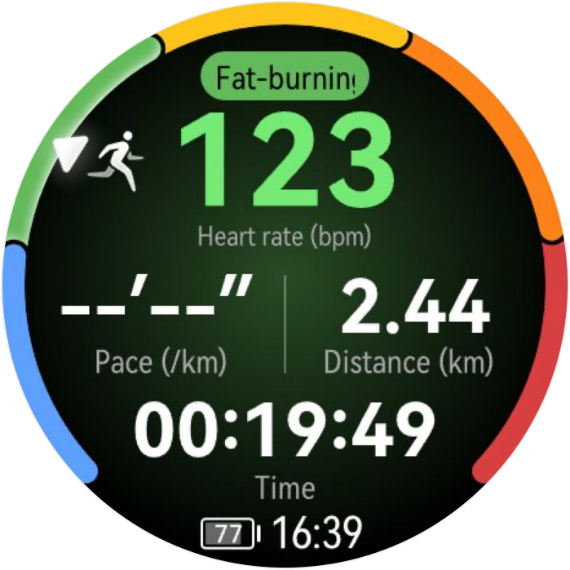
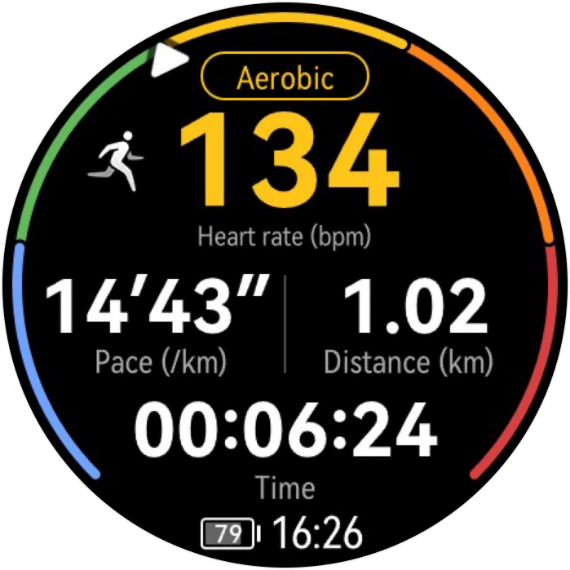


“HUAWEI Watch GT 6 tells me when to ease off before the heat takes a toll, it keeps me running smart, not just hard.”
Hydrate Smarter, Not Just More
Hydration is one of the biggest challenges in hot-weather running. Sweat rates increase
dramatically, and if you don’t replace fluids and electrolytes, dehydration can quickly set in. Even
a 2% loss of body weight from fluids can hurt performance.
Here’s how to stay on top of hydration:
• Pre-hydrate: Drink 16–20 ounces (about 500 ml) of water or an electrolyte drink 1–2 hours
before running.
•During the run: Aim for 4–8 ounces (120–240 ml) of fluid every 20 minutes, depending on how
much you sweat. Sports drinks with electrolytes (especially sodium) can help replace what you lose
through sweat.
•After the run: Rehydrate with water and electrolytes. A simple rule is to drink about 16–24
ounces (500–700 ml) for every pound (0.5 kg) lost during your workout.
Pro tip: Check your urine color—it should be light yellow. Dark yellow or amber means you’re
underhydrated.
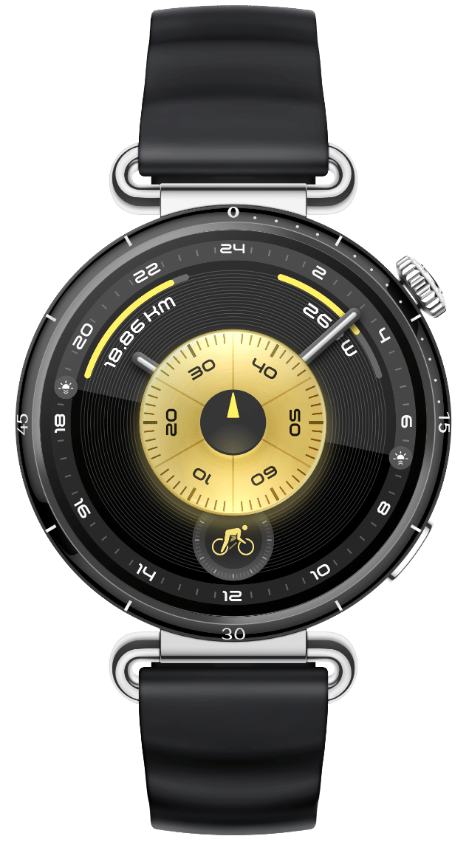
And because training in the heat often means heavy sweating, it helps that the HUAWEI WATCH GT 6 is
built to handle it all. With 5 ATM and IP69 water and sweat resistance, it stays reliable no matter
how tough or humid the conditions get.

Up to 21-day battery life
Get new cycling power metrics on your wrist.Train with science
Understand your emotional well-being across dimensions
Iconic look leads the trend
Beat the Sun with Smarter Scheduling
One of the easiest ways to make running in summer more manageable is to time your runs
strategically. I’ve learned this through years of training in South Africa, where the midday sun can
be absolutely relentless. Out there you discover that early mornings are your best friend – the air
is cooler and your body feels more willing to move. By late evening, the heat still lingers, but
it’s far more bearable than under the harsh midday sun.
•Early morning runs: Temperatures are usually lowest just before sunrise. Starting your day
with a run not only avoids peak heat but also energizes you for the rest of the day.
•Evening runs: If mornings don’t work, running after sunset is another option. Just remember
visibility—use reflective gear or a headlamp.
•Indoor options: On extremely hot or humid days, consider treadmill running. It’s not as
exciting as the outdoors, but it keeps your training consistent and safe.
Choosing the right time of day helps you stay comfortable while avoiding unnecessary stress on your
body.


One feature that makes a real difference when training in the heat – besides scheduling it strategically – is the temperature and environmental sensing on the HUAWEI WATCH GT 6. The watch doesn’t just track your internal performance — it also monitors skin temperature and ambient conditions in real time. This helps you understand how the external heat is affecting your body, so you can adjust your pace, hydration, and recovery accordingly.

Dress Light, Stay Cool
What you wear can make a huge difference in how you handle the heat. Heavy fabrics trap sweat and
heat, while lightweight gear keeps you cooler and more comfortable.
•Choose technical fabrics: Moisture-wicking materials pull sweat away from your body and allow it to
evaporate. Avoid cotton, which holds onto sweat and gets heavy.
•Wear light colors: White and light shades reflect sunlight, while dark colors absorb heat.
•Protect your head and eyes: A breathable cap or visor shields you from the sun, and sunglasses
reduce glare.
•Use sunscreen: Sunburn doesn’t just hurt - it interferes with your body’s ability to cool itself.
Protect your skin and performance by using a sweat-resistant, broad-spectrum sunscreen before every
run.
For extra cooling, some runners wet their hats or shirts with cold water before heading out—it can
buy you precious minutes of comfort.
Train with Heat Adaptation in Mind
Running in hot weather may feel miserable at first, but over time, your body adapts. This process,
called heat acclimation, improves your ability to sweat efficiently, maintain electrolyte balance,
and keep your core temperature stable.
Here’s how to adapt safely:
•Start small: Begin with shorter, easier runs in the heat. Gradually increase duration over 1–2
weeks.
•Be consistent: Running 4–6 times in hot conditions over 10–14 days can help your body adjust.
•Mix in shade and trails: Running in tree-covered areas or trails is cooler than pounding sun on
asphalt.
•Listen to your body: If you feel dizzy, nauseous, or stop sweating, those are warning signs of heat
exhaustion—stop and cool down immediately.

Think of heat training like altitude
training—it’s uncomfortable, but once you’re adapted, you’ll be fitter and stronger.

Bonus: Cooling Strategies for Extra Relief
If you really struggle in the heat, small cooling tricks can make a big difference:
•Cold towels or ice packs: Apply to your neck, armpits, or wrists before or after running.
•Cooling vests: These can be worn before workouts to lower body temperature.
•Ice cubes in your hat: A surprisingly effective way to stay cool on longer runs.
Even small cooling methods can help you maintain comfort and performance.
The Mental Side of Summer Running
Running slower in the heat isn’t just physical—it’s also mental. It’s easy to get frustrated when your watch shows slower splits, but summer running teaches patience, toughness, and adaptability. The HUAWEI WATCH GT 6 Emotional Wellbeing feature helps me stay aware of that mental side too, tracking stress levels and recovery so I can recognize when to push through and when to slow down.


Remind yourself:
•Heat training now = stronger performance later.
•Slower pace doesn’t mean less progress.
•Every step in tough conditions builds resilience.
With the right mindset, summer running becomes less of a punishment and more of a powerful training
tool.
Final Thoughts
Running in the heat will always test you, but it doesn’t have to stop your progress. Over the years,
I’ve learned that the key is to work with the weather, not against it. Adjust your pace, stay hydrated,
run when the sun is gentler, dress smart and give your body time to adapt. tools like the HUAWEI WATCH
GT 6 make this process easier — tracking your heart rate, recovery, and performance so you know when to
push and when to pull back. You’ll be surprised how strong you can feel, even on the hottest days.
Yes, you’ll run slower in the heat. But that’s not setback - it’s your body working hard to protect you.
When the cooler months finally arrive, all that hard work under the summer sun will pay off. The same
runs that once felt heavy will start to feel light, effortless even.
So embrace the summer grind, take care of yourself, and trust the process. Because every sweaty mile
brings you one step closer to becoming a stronger, faster, and more resilient runner.

Miranda Charlene Coetzee
Report
Read more
Explore
Copied